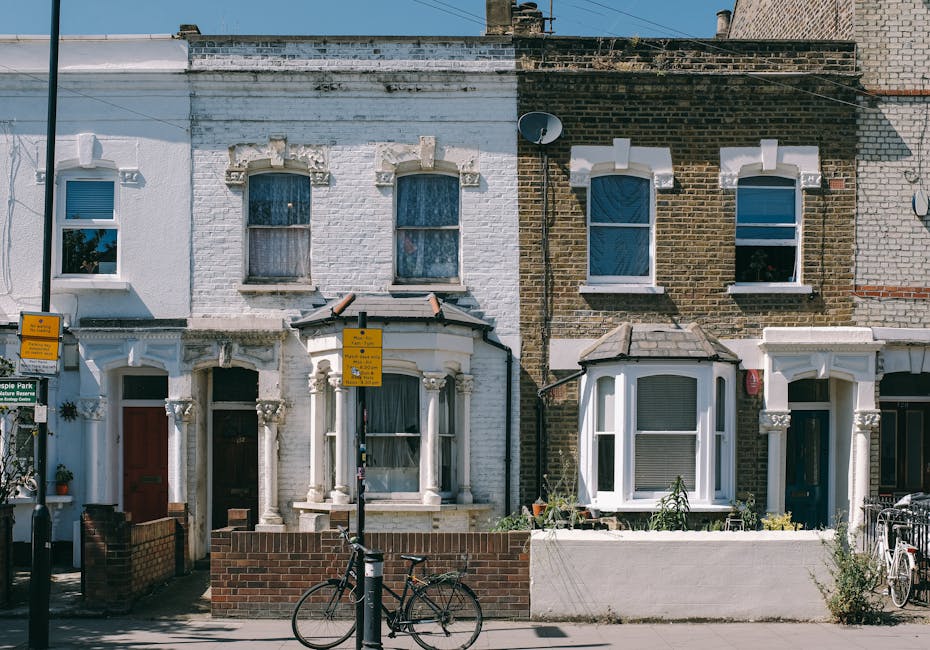
Acton Central cleaning guide for terraced homes W3

If you live in a terraced house in Acton Central, you already know the routine: narrow hallways, staircases that seem to collect dust on their own, front rooms that face the street, and the odd bit of grime that shows up in the most awkward corners. This Acton Central cleaning guide for terraced homes W3 is written for exactly that kind of home. It focuses on practical cleaning that works in real life, not a glossy version that ignores tight space, busy family schedules, or the quirks of older London properties.
Whether you are keeping on top of weekly maintenance, planning a deeper seasonal reset, or preparing for a move, the aim is the same: make the home feel fresh, manageable, and properly looked after. In terraced homes, a good system matters. Small jobs left too long have a way of becoming big ones. Let's be honest, that back bedroom window or the skirting by the radiator can go from "fine" to "why is that grey?" surprisingly quickly.
This guide breaks the job down clearly, explains what to prioritise, and helps you decide when a standard tidy-up is enough and when a more detailed clean makes sense.
- Why this matters in Acton Central terraced homes
- How terraced-home cleaning works in practice
- Benefits and practical advantages
- Who this is for and when it makes sense
- Step-by-step cleaning guidance
- Expert tips for better results
- Common mistakes to avoid
- Tools, resources and recommendations
- Law, compliance and best practice
- Options and method comparison
- Real-world example
- Practical checklist
- Conclusion
- Frequently asked questions
Why Acton Central cleaning guide for terraced homes W3 Matters
Terraced homes in W3 have a character all their own. They are often narrow, multi-level, and heavily used, which means cleaning needs to be strategic rather than random. The layout affects how dust moves through the house, how often stair carpets look tired, and which rooms take the biggest daily hit. Front reception rooms, hallways, bathrooms, kitchens, and landing areas can all show wear very quickly.
Acton Central also has that classic London rhythm: people coming and going, deliveries, traffic dust, rainwater at the doorstep, boots near the front entrance, and family life happening in every room at once. If you have children, pets, or a home office squeezed into a spare room, the cleaning load rises fast. A sensible system helps you stay ahead of it instead of constantly chasing it.
There is another reason this matters. Terraced houses often have older finishes, painted woodwork, original flooring, and smaller ventilation patterns than newer homes. That means certain products or methods can do more harm than good. Using the wrong cloth, too much liquid, or an abrasive pad can leave marks that are much harder to undo than the original mess. A proper guide saves time, money, and a bit of frustration too.
Expert summary: In terraced homes, the best cleaning approach is targeted and repeatable. Focus on high-touch areas, protect older surfaces, and build a routine that fits the house rather than fighting its layout.
How Acton Central cleaning guide for terraced homes W3 Works
The most effective approach is to divide the house into zones and clean in a sequence that follows how dirt actually travels. In terraced homes, traffic usually starts at the front door, moves through the hallway and stairs, and settles in kitchens, bathrooms, and bedrooms. If you clean in the right order, you avoid spreading dust around the house twice.
Start with dry work before wet work. That means dusting, vacuuming, and removing loose debris before using sprays or mops. It sounds basic, but it makes a noticeable difference. Once you wet a dusty surface, it tends to smear. Nobody wants that weird chalky film on a bannister after ten minutes of effort.
The method also depends on the cleaning goal. A weekly clean is different from a deep clean, and a move-out clean is different again. For example, a standard domestic clean can usually focus on visible hygiene and upkeep, while a deeper session may include inside cupboards, under furniture, extractor fans, and stubborn build-up around taps or tile grout. If you are planning a one-off reset, the home often benefits from the kind of detail you would expect from deep cleaning or a more general one-off cleaning service.
In practical terms, the work usually follows this pattern:
- Clear clutter and make access easier.
- Dust top-down from shelves, ledges, and fittings.
- Vacuum floors, carpets, stairs, and edges.
- Wipe surfaces with appropriate products.
- Clean the kitchen and bathroom carefully, as these collect the most residue.
- Finish with floors, mirrors, and touchpoints.
If the property needs broader upkeep, regular visits can work well alongside regular cleaning or focused domestic cleaning. That gives you a practical rhythm instead of relying on heroic catch-up sessions every few months. And, to be fair, heroic catch-up sessions are rarely fun.
Key Benefits and Practical Advantages
A well-planned terraced-home clean does more than make the place look nice for half a day. It improves how the house feels, how long finishes last, and how easy it is to stay on top of everyday life.
- Less build-up in awkward areas: Narrow stairs, corners behind doors, and window sills tend to trap debris. Consistent cleaning stops the build-up from becoming stubborn.
- Better hygiene in shared-use spaces: Kitchens and bathrooms in terraced homes often work hard. Keeping these zones clean reduces odours, grease, soap scum, and damp-related mess.
- Protection for older fixtures: Gentle, appropriate cleaning methods can help preserve painted wood, tiles, carpets, and fittings.
- Faster weekly maintenance: Once the house is properly reset, the next clean is quicker. That is one of the nicest payoffs, honestly.
- Improved comfort and presentation: A cleaner hallway or front room changes the way a home feels as soon as you walk in.
There is also a practical benefit if you rent out the property, host guests, or are preparing to move. Clean homes photograph better, inspect better, and are easier to hand over. For those situations, services such as move in cleaning, move out cleaning, and end of tenancy cleaning are often more suitable than a simple surface tidy.
Another quiet advantage: a well-run cleaning routine can reduce that low-level background stress that builds when every room feels half-finished. You notice it at 8:30 in the morning when the kettle is boiling and the sink is already clear. Small thing, big mood shift.
Who This Is For and When It Makes Sense
This guide is useful if you live in a terraced home in Acton Central and want a realistic way to keep things under control. It is especially relevant if your house has multiple floors, limited storage, older carpet, pets, children, or a busy schedule. That combination is where cleaning plans tend to fall apart.
It also makes sense for:
- homeowners who want a dependable routine
- renters who need to keep the property in good order
- landlords preparing a place between tenancies
- tenants aiming for a cleaner inspection or smoother handover
- families who need help with a reset after illness, renovations, or a very busy period
Sometimes the right answer is not a full-service clean every week. Sometimes you just need targeted support for the tough jobs: the oven that has seen better days, the carpets on the stairs, or the sofa that seems to collect every crumb in the borough. In those cases, specialist help like oven cleaning, carpet cleaning, sofa cleaning, or window cleaning can make the job far more manageable.
If your home has shared entrances or converted-frontage arrangements, it may also be worth thinking about communal area cleaning. Not every terraced property has this, of course, but where it applies, keeping the shared bits tidy changes the whole feel of the building.
Step-by-Step Guidance
Here is a practical way to clean a terraced home in W3 without wasting energy. It is not glamorous, but it works.
1. Start at the top of the house
Work from the upstairs rooms down to the ground floor. Dust falls. That is just life. If you start downstairs and then clean the landing later, you will be repeating work for no good reason.
2. Open windows where it is sensible
Fresh air helps with odours and drying time, especially in kitchens and bathrooms. In colder months, just a few minutes can be enough. You do not need to turn the house into a wind tunnel.
3. Declutter first
Pick up shoes, toys, bags, laundry, and loose papers before cleaning surfaces. Terraced homes often have less spare space, so clutter tends to move from room to room. A clear surface is much easier to clean than one hidden under everyday bits and pieces.
4. Dust before wiping
Use a microfibre cloth or a duster on shelves, picture rails, light fittings, skirting, and bannisters. Pay attention to the edges of stair treads and the tops of door frames. These areas often collect more dust than people expect.
5. Tackle bathrooms with care
Bathrooms in terraced homes can be compact and humid. Focus on taps, toilet areas, shower screens, grout lines, sinks, and the base of the toilet. Use products suited to the surface. A little patience around limescale is usually better than aggressive scrubbing.
6. Clean the kitchen in sections
Work from cupboards and surfaces to appliances, then sinks and splash zones. If the oven, extractor, or hob has grease build-up, deal with that separately so it does not spread. For tougher kitchen work, a dedicated oven cleaning approach can save a lot of elbow grease.
7. Vacuum thoroughly
Vacuum carpets, rugs, stairs, under furniture where possible, and along the edges of rooms. In terraced homes, hallways and stairs often take the most footfall and need extra attention. If the property has mixed flooring, move carefully from hard floor to carpet so you are not chasing debris back and forth.
8. Mop or finish hard floors last
Once the dust is gone, mop the kitchen, bathroom, and any other hard floors. Use a lightly damp mop rather than a dripping one, especially on timber or older flooring.
9. Finish with high-touch points
Door handles, light switches, handrails, remote controls, and cupboard pulls are tiny details, but they make a home feel properly cleaned. It is the sort of finish people notice even if they do not consciously realise why.
10. Check the overlooked areas
Look behind radiators, around window frames, under sinks, and along the bottom of stair spindles. Those are the spots that can make a clean look half-finished if they are missed.
Expert Tips for Better Results
Over time, a few habits make a huge difference in terraced houses. These are the little things that stop cleaning from becoming an exhausting all-day ordeal.
- Use the right cloth for the right task. Microfibre is usually ideal for dust and general wiping. Use separate cloths for bathrooms and kitchens. Mixing them up is just a bad idea, really.
- Keep one caddy for essentials. If the house has more than one floor, carrying supplies upstairs repeatedly wastes time.
- Don't oversaturate surfaces. Older woodwork, laminate edges, and carpets can react badly to excess moisture.
- Set a timer for small jobs. Ten focused minutes on skirting, then stop. That is often more realistic than waiting for a mythical free afternoon.
- Prioritise the first impression zone. The hallway, front room, and bathroom usually shape how clean the home feels overall.
- Clean little and often. A quick weekly routine works better than a huge catch-up when the house already feels overwhelming.
For soft furnishings, it can help to treat each item according to the material. A velvet chair, a family sofa, and a hallway runner do not need the same method. If the item is fragile or heavily marked, consider a specialist option such as upholstery cleaning, rug cleaning, or even mattress cleaning where appropriate.
A useful rule of thumb: clean from least dirty to most dirty, and from dry tasks to wet tasks. Simple. Surprisingly powerful. Also very hard to mess up once you get used to it.
Common Mistakes to Avoid
Terraced homes tend to punish rushed cleaning decisions. The same mistakes show up again and again.
- Cleaning in the wrong order: If you mop first and dust later, you will undo your own work.
- Using too many products: More product does not always mean more clean. Sometimes it just means residue.
- Ignoring stair edges and bannisters: These high-contact areas are easy to miss and very noticeable when dirty.
- Forgetting hidden build-up: Behind bins, under sinks, and around radiator pipes can become grimy without anyone realising.
- Using harsh tools on delicate finishes: Scrubbing pads and aggressive chemicals can damage paint, sealant, and wood.
- Leaving deep jobs until the last minute: Grease, limescale, and carpet marks are easier to handle when they are tackled early.
One common trap is underestimating how quickly a small terraced house can feel cluttered. Because rooms are close together, even a little mess has a ripple effect. A pile of laundry by the stairs, a few dishes on the counter, and a bag by the front door can make the whole place look busier than it really is. The fix is not perfection. Just a decent rhythm.
Tools, Resources and Recommendations
You do not need an enormous kit to clean a terraced home well. A compact, sensible set of tools usually beats a cupboard full of random products.
| Tool or item | Best use | Why it helps in a terraced home |
|---|---|---|
| Microfibre cloths | Dusting and wiping | Quick, reusable, and suitable for tight spaces |
| Vacuum with attachments | Stairs, edges, upholstery | Useful for narrow hallways and awkward corners |
| Bucket or spray bottle | Controlled wet cleaning | Helps avoid over-wetting older surfaces |
| Soft brush | Grout, corners, vents | Handy for detailed spots without damage |
| Non-abrasive cleaner | General surfaces | Safer for painted woodwork and fitted finishes |
| Glass cleaner or vinegar-based alternative if suitable | Mirrors and windows | Leaves less streaking on smaller panes |
If you are comparing service choices, start with the scale of the job. A maintenance clean is different from a reset clean, and both are different from post-works cleaning. For example, if a terraced home has just had decorating or repairs, after builders cleaning is usually a better fit than standard domestic upkeep. If the aim is ongoing support, house cleaning can be a good middle ground for many households.
On the service side, it is also worth checking practical matters like transparency, scheduling, and payment process. A decent provider should make pricing and quotes clear, explain how payment works through payment and security, and set out expectations in straightforward terms. That basic clarity matters more than slick wording.
Law, Compliance, Standards, or Best Practice
Cleaning a home is not usually a regulated activity in the same way as some technical trades, but there are still important UK best-practice considerations. In a terraced house, that means thinking about safety, product use, waste handling, and the condition of the property itself.
At a practical level, the key points are:
- Use products safely: Follow label guidance, ventilate rooms where possible, and do not mix chemicals.
- Protect surfaces: Older finishes may require gentler methods than modern wipe-clean materials.
- Be careful around electrics: Avoid soaking sockets, switches, and appliances.
- Handle waste responsibly: Bags, packaging, and old cloths should be disposed of properly.
- Consider allergen and hygiene needs: Dust control, pet hair removal, and damp management all affect comfort and health.
Where a cleaning company is involved, trust signals matter. You would normally expect straightforward information about safety, insurance, and how concerns are handled. Pages like health and safety policy, insurance and safety, terms and conditions, and complaints procedure help set those expectations. For a business-facing view, recycling and sustainability is also a useful sign that waste and product use are being thought about responsibly.
That is all pretty standard, but it is still worth checking. Cleaners and homeowners alike benefit from clear boundaries. No drama, no guessing.
Options, Methods, or Comparison Table
Not every terraced home needs the same cleaning style. Here is a simple comparison to help you choose the right approach.
| Method | Best for | Strengths | Limitations |
|---|---|---|---|
| Regular maintenance clean | Weekly or fortnightly upkeep | Keeps dirt manageable, fast to repeat | Won't remove heavy build-up |
| Deep clean | Seasonal reset or neglected areas | Better for corners, fixtures, and detail work | Takes longer and needs more focus |
| One-off clean | Occasional refresh or special event | Flexible and broad in scope | Can be less structured than ongoing care |
| Move-related clean | Before moving in or after moving out | Targets handover expectations and empty-room detail | Often more intensive than a routine clean |
| Targeted specialist cleaning | Oven, carpet, sofa, rug, mattress, windows | Focuses effort where it is most needed | Does not cover the whole home |
The honest answer is that many homes need a combination. A terraced property might run on weekly upkeep, then add specialist support for carpets or upholstery every so often. That hybrid approach is often the sweet spot. For bigger family homes, a mix of regular cleaning and selected specialist work tends to feel more sustainable than trying to do everything at once.
Case Study or Real-World Example
Here is a realistic example from the sort of home this guide is meant for.
A family in a two-storey terraced house near Acton Central had fallen into a familiar pattern. The kitchen was being wiped daily, but the rest of the home was lagging behind. The hallway had visible dust on the skirting, the stair carpet looked dull, and the front reception room had slowly become a storage zone for bags, shoes, and a rogue stack of school bits. Nothing was disastrous. Just... messy enough to feel tiring.
Instead of trying to clean everything in one endless session, they split the work into three passes. One evening was for decluttering and dusting upstairs. The next morning focused on the kitchen and bathroom. The final pass tackled stairs, carpets, mirrors, and floors. They also booked help for the worst jobs: the oven, one carpeted room, and a sofa that had clearly survived a few too many tea breaks.
The change was immediate. The house smelled cleaner, the stairs looked brighter, and the family said the biggest difference was mental rather than visual. The home felt easier to live in. That is often what people want most, even if they do not say it out loud.
It was not perfect, of course. There were still fingerprints on the patio door by the weekend. But the baseline was much better, and that is the bit that sticks.
Practical Checklist
Use this checklist for a straightforward terraced-home clean in W3. It works well as a quick pre-clean reminder.
- Declutter hallways, stairs, counters, and floors
- Open windows where appropriate for airflow
- Dust from top to bottom
- Wipe light switches, handles, and bannisters
- Clean kitchen surfaces, sink, hob, and cupboard fronts
- Deal with the oven or extractor if grease is building up
- Scrub bathroom sinks, taps, toilet areas, and shower glass
- Vacuum carpets, stairs, rugs, and edges
- Mop hard floors last
- Check windows, mirrors, skirting, and corners for missed marks
- Empty bins and replace liners
- Put items back in a simpler, easier-to-maintain arrangement
If you are preparing for a letting handover or incoming occupants, this checklist can be combined with a dedicated move in cleaning or move out cleaning plan. That extra structure helps a lot when time is tight and the house needs to look its best quickly.
Get a free quote today and see how much you can save.
Conclusion
The best Acton Central cleaning guide for terraced homes W3 is one that respects the way these houses actually work. Narrow spaces, older finishes, busy routines, and layered daily use all call for a thoughtful approach. Clean top-down, keep the method simple, and focus on the parts of the home that people touch, see, and use most.
Once you build a routine that fits the house, everything gets easier. The hallway feels calmer, the kitchen is less daunting, and even the stairs stop looking like a battleground. Small wins add up. They really do.
If your terraced home needs a deeper reset or help with the jobs that keep getting pushed back, choose the level of cleaning that matches the reality of the property. That way, you are not just cleaning. You are making the house easier to live in, day after day, which is the point after all.
Frequently Asked Questions
What makes terraced homes in Acton Central harder to clean?
Terraced homes often have narrow hallways, stairs, compact rooms, and older surfaces that collect dust and wear more quickly. Because space is limited, clutter also has a bigger visual impact. A structured routine helps more than occasional big cleans.
How often should a terraced home in W3 be cleaned?
Most homes benefit from weekly maintenance, with deeper attention added as needed. High-use areas like kitchens, bathrooms, stairs, and hallways often need the most frequent care. The right schedule depends on family size, pets, and lifestyle.
Is deep cleaning better than regular cleaning for terraced houses?
They serve different purposes. Regular cleaning keeps day-to-day dirt under control, while deep cleaning tackles build-up, neglected corners, and detailed fixtures. In many homes, both are useful at different times.
What rooms should I prioritise first?
Start with the hallway, kitchen, bathroom, stairs, and the rooms people use most. These areas create the biggest first impression and usually gather dirt fastest. If those are under control, the whole house feels easier.
How do I clean stairs safely in a narrow terraced home?
Use a vacuum with a smaller attachment, work from top to bottom, and avoid overloading the stairs with buckets or heavy kit. Keep one hand free when moving around. It sounds obvious, but it really helps.
Which cleaning tasks are best left to specialists?
Ovens, carpets, sofas, rugs, upholstery, and mattresses are common specialist jobs, especially when stains or heavy build-up are involved. These items often need more than a basic wipe-down to look and feel properly clean.
Can I use the same products on wood, tile, and carpet?
No, and that is where people sometimes run into trouble. Different surfaces need different methods. Woodwork, tile, glass, and carpet each respond differently to moisture and cleaning agents.
What is the best way to keep a terraced home cleaner between visits?
Focus on small daily habits: clear surfaces, wipe kitchen counters, vacuum high-traffic areas, and deal with bathrooms before grime builds up. A little and often approach is much easier to maintain than a once-in-a-while rescue mission.
How do I know if I need a one-off clean or regular cleaning?
If the house is mostly manageable but needs a reset, a one-off clean may be enough. If the same areas keep getting dirty and staying that way, regular cleaning is usually more practical. Think about what keeps happening, not just what is happening today.
Are there any safety considerations I should keep in mind?
Yes. Ventilate where possible, avoid mixing chemicals, be careful around electrics, and use gentle methods on older or delicate surfaces. If you are hiring a company, it is sensible to review their safety and insurance information first.
What should I ask before booking a cleaner for a terraced home?
Ask what is included, how long the clean is likely to take, what products are used, and whether the service is suitable for your property type. If you are comparing options, look at how transparent the provider is about pricing, terms, and process.
Why does my terraced house get dusty so quickly?
It is usually a mix of foot traffic, nearby road dust, ventilation patterns, textiles, and the way air moves through a narrow property. That is fairly normal in London homes. The trick is not to fight dust once a year; it is to stay ahead of it in small steps.
Can cleaning really make a small terraced home feel bigger?
Yes, in a practical sense. Clear surfaces, brighter floors, clean windows, and less clutter all change how space feels. It is not magic, but it is surprisingly effective. You notice it the moment you walk in.