Oven Cleaning in Modern Homes: Practical Tips, Benefits, and Professional Results
Oven cleaning is one of those household tasks that many people postpone until the buildup becomes impossible to ignore. Whether you cook every day or only use your appliance for occasional meals, regular oven cleaning can make a major difference in how your kitchen looks, smells, and performs. A clean oven helps food taste better, reduces smoke, and supports a healthier cooking environment. It also helps your appliance work more efficiently, which can extend its lifespan and reduce unnecessary wear.
For many households, oven cleaning is not just about appearance. Grease, carbon, spills, and burnt-on residue can affect heating performance and create lingering odors that spread through the kitchen. Over time, this buildup can become stubborn and more difficult to remove without the right approach. That is why many homeowners look for practical oven cleaning solutions that are effective, safe, and easy to maintain over time.
In this article, we’ll explore why oven cleaning matters, how to approach the process, what tools and products are useful, and when professional oven cleaning may be the better option. You’ll also find tips for keeping your oven cleaner for longer, along with advice on avoiding common mistakes. If your kitchen could use a fresh start, oven cleaning is a smart place to begin.
Why Oven Cleaning Matters for Every Kitchen

Oven cleaning is often viewed as a chore, but it has a direct effect on cooking quality and kitchen hygiene. A dirty oven can produce smoke when residues burn at high temperatures, leaving your home with an unpleasant smell. In some cases, leftover grease can even drip onto heating elements and create uneven cooking or flare-ups. Regular oven cleaning helps prevent these issues before they get worse.
Another important reason to prioritize oven cleaning is energy efficiency. When food debris or grease accumulates inside the appliance, it can interfere with heat circulation. That means your oven may need to work harder to reach and maintain the temperature you set. By keeping the interior clean, you support smoother performance and may help reduce energy waste.
Clean appliances also improve the overall look and feel of a kitchen. When guests enter a home, they often notice surfaces, smells, and the condition of major appliances. A well-maintained oven contributes to a cleaner, more polished environment. Oven cleaning is therefore both a functional task and a presentation choice that supports your home’s overall appeal.
Signs Your Oven Needs Cleaning
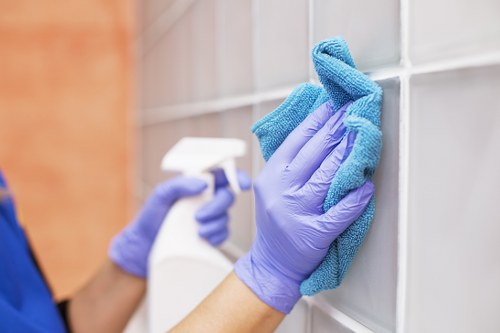
Sometimes it is obvious that oven cleaning is overdue, but other times the signs are subtle. One of the most common indicators is smoke during preheating or cooking. If the oven begins to smoke even when preparing relatively simple dishes, built-up grease or spills may be the cause. This is a strong signal that thorough oven cleaning is needed.
Another sign is lingering odor. If your oven smells burnt even when it is empty, residue may be trapped in corners, on trays, or around the door seal. These odors can transfer to food and affect the cooking experience. In addition, visible stains, crusted spills, and dark patches on the oven walls are clear reasons to schedule an oven cleaning session.
Performance issues can also point to a dirty appliance. Uneven heating, longer cooking times, and excessive smoke are all clues that grime may be disrupting the oven’s normal function. Regular oven cleaning helps prevent these issues and keeps your appliance in better working order for longer.
Common warning signs to watch for
- Smoke when the oven is preheating
- Persistent burnt or greasy smells
- Visible food spills or baked-on residue
- Uneven cooking or hot spots
- Dark buildup on racks, trays, or the glass door
How Often Should Oven Cleaning Be Done?

The right oven cleaning schedule depends on how often you cook and what types of food you prepare. For busy households that use the oven daily, a quick wipe-down after heavy use and a deeper clean every one to three months may be appropriate. If you cook less frequently, a monthly or seasonal oven cleaning routine may be enough to keep buildup under control.
High-fat foods, casseroles, roasts, and baked dishes that bubble over can create more residue than dry baking. If these foods are common in your kitchen, more frequent oven cleaning is usually necessary. Even if the appliance looks fine at first glance, grease can build up gradually in areas that are not immediately visible.
A good rule is to address small spills quickly rather than waiting until they harden. A few minutes of regular maintenance can reduce the need for intensive scrubbing later. This approach saves time, protects the appliance, and makes oven cleaning feel far less overwhelming.
Practical cleaning frequency suggestions
- Light use: Every 2 to 3 months
- Moderate use: Every 4 to 6 weeks
- Heavy use: Every 2 to 4 weeks
- After spills or splatters: Clean as soon as the oven cools
Safe and Effective Oven Cleaning Methods

There are several ways to approach oven cleaning, and the best method depends on the level of buildup and the materials inside your appliance. Some people prefer natural cleaning solutions, while others rely on commercial oven cleaners. Both methods can be effective when used correctly. The key is to choose an approach that protects the oven’s surfaces and fits your comfort level.
A popular natural method involves using baking soda and water to form a paste. This paste can be spread across the interior surfaces, left to sit for several hours or overnight, and then wiped away with a damp cloth. This method is useful for moderate buildup and is often favored by households that want a less harsh oven cleaning option.
For tougher grease and baked-on residue, commercial cleaning products may be more efficient. These products are designed to break down stubborn grime faster, but they should always be used according to the manufacturer’s instructions. Good ventilation, gloves, and caution around heating elements are important whenever strong products are involved. Oven cleaning should always balance effectiveness with safety.
Useful oven cleaning tools
- Microfiber cloths
- Non-scratch sponges
- Rubber gloves
- Baking soda
- White vinegar
- Plastic or silicone spatulas for lifting residue
- Spray bottle for diluted solutions
Step-by-Step Approach to Oven Cleaning
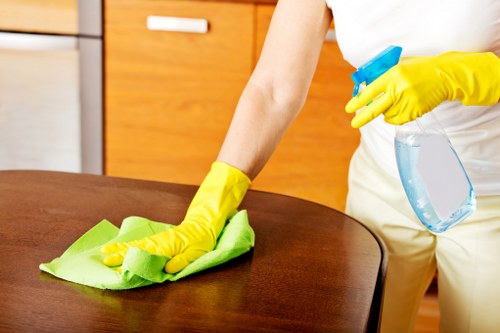
If you are tackling oven cleaning yourself, a structured process helps make the job easier. Start by turning off the appliance and allowing it to cool completely. Remove racks, trays, and any loose accessories. These parts can often be cleaned separately, which allows better access to the inside of the oven and gives you more room to work.
Once the interior is ready, remove loose crumbs and debris with a dry cloth or soft brush. Then apply your chosen cleaning solution, making sure to cover stained areas thoroughly. Allow it to sit for the recommended time so it can soften burnt-on grease. After that, wipe away the residue with a clean damp cloth, rinsing as needed to remove any remaining product.
Finally, clean the racks and accessories before replacing them. The oven door and glass panel deserve special attention because they often collect streaks and splatter that affect visibility. When everything is dry and reassembled, your oven cleaning session should leave the appliance looking and functioning far better than before.
Simple oven cleaning process
- Turn off the oven and let it cool.
- Remove racks, trays, and loose items.
- Brush out crumbs and debris.
- Apply your cleaning solution.
- Let it sit for enough time to loosen residue.
- Wipe clean with damp cloths.
- Rinse, dry, and reassemble.
Natural Oven Cleaning Options for Safer Maintenance
Many homeowners prefer natural oven cleaning because it reduces exposure to strong fumes and harsh chemicals. Baking soda is one of the most widely used ingredients because it is mild, affordable, and effective on many types of buildup. When mixed with water, it creates a paste that clings to surfaces and helps loosen grime without damaging enamel in most cases.
White vinegar is another useful option in oven cleaning. It can help cut through residue and neutralize odors. Some people spray vinegar over dried baking soda paste to create a mild foaming reaction that supports cleanup. While this method may not handle the heaviest buildup alone, it is a practical choice for routine maintenance and lighter messes.
Lemon is often used for its fresh scent and natural acidity. A bowl of water with lemon slices can be heated briefly in the oven to create steam that softens minor deposits and freshens the interior. This method is not a replacement for deep oven cleaning, but it can be a helpful part of regular upkeep. Natural methods are especially attractive for families seeking a simpler and less aggressive cleaning routine.
Benefits of natural cleaning methods
- Less exposure to strong chemical fumes
- Lower risk of irritating sensitive skin
- Affordable and easy to find ingredients
- Suitable for routine maintenance
- Good for households seeking gentler options
When Professional Oven Cleaning Makes Sense
While many people can manage basic oven cleaning at home, there are situations where professional service is the better choice. If the buildup is extremely thick, if smoke and odor remain after multiple cleaning attempts, or if the oven has not been maintained for a long time, a professional approach may save time and deliver better results. Experienced cleaners know how to handle stubborn grease without damaging delicate components.
Professional oven cleaning can also be useful when you have a busy schedule or simply want a more thorough result. Some services remove and clean racks, doors, and panels, paying close attention to hidden areas that are easy to miss. This can be especially helpful before hosting events, moving into a new home, or preparing a property for sale. A properly cleaned oven can make a noticeable difference in kitchen presentation.
Another advantage of professional oven cleaning is the use of specialized tools and products. Technicians often work with equipment and techniques designed to remove residue safely and efficiently. If you value convenience, deep cleaning, and peace of mind, professional oven cleaning may be the best solution. Book your service now if your appliance needs more than a quick surface wipe.
Situations that may call for professional help
- Heavy carbon buildup or burnt-on grease
- Persistent smoke or odor after cleaning
- Time constraints or physical difficulty cleaning manually
- Need for a thorough pre-event or move-out clean
- Concerns about using strong products safely
Common Mistakes to Avoid During Oven Cleaning
Oven cleaning is straightforward when done carefully, but a few common mistakes can make the job harder or even damage the appliance. One major error is using abrasive tools like steel wool or harsh scouring pads on delicate surfaces. These can scratch the enamel, damage glass, or reduce the appearance of the oven over time. Always choose non-scratch tools whenever possible.
Another mistake is applying too much liquid. Excess moisture can seep into sensitive areas and may affect electrical components if used carelessly. It is also important not to mix cleaning chemicals unless the label explicitly says it is safe to do so. Some combinations can create harmful fumes or reduce cleaning effectiveness. Good ventilation and careful product selection are essential parts of safe oven cleaning.
Rushing the process is also a common issue. If cleaning agents do not have enough time to work, you may end up scrubbing harder and still not get the results you want. Patience makes a big difference in oven cleaning, especially when dealing with baked-on residue. Let the product do the heavy lifting before wiping or gently scrubbing the surface.
How to Keep Your Oven Cleaner for Longer
Once you have completed a thorough oven cleaning, the next goal is to keep the appliance cleaner for as long as possible. One of the simplest habits is to wipe up spills as soon as the oven cools. Fresh spills are far easier to remove than hardened residue, and this quick action can significantly reduce the need for deep cleaning sessions.
Using oven-safe trays or liners can help catch drips from casseroles, pies, and roasts. Just be sure any liner or mat you use is approved for oven temperatures and does not block airflow. Another smart habit is to check dishes that are likely to bubble over and place them on a tray when needed. Small preventive steps like these support better oven cleaning results over time.
It is also helpful to clean accessories separately and regularly. Racks, baking trays, and removable panels can accumulate grease even if the main cavity seems fine. Keeping these parts clean makes the entire appliance easier to maintain. In other words, consistent care turns oven cleaning from a big job into a manageable routine.
Maintenance habits that help
- Wipe small spills before they harden
- Use trays to catch drips
- Check dishes that may bubble over
- Clean racks and trays regularly
- Ventilate the kitchen during high-heat cooking
Oven Cleaning and Kitchen Hygiene
Kitchen hygiene goes beyond wiping counters and washing dishes. The condition of your oven affects the cleanliness of the entire cooking space. When grease burns inside the appliance, particles and odors can spread, making the kitchen feel less fresh. Regular oven cleaning supports a healthier environment by reducing residue, odors, and smoke that can linger during and after cooking.
This is especially important in homes where food is prepared often. A clean oven reduces the chance of cross-contamination from old debris and makes it easier to maintain a sanitary cooking area. It also encourages better habits overall, since a well-kept appliance tends to be treated with more care. Oven cleaning is part of a broader home maintenance routine that supports comfort and cleanliness.
For families, renters, and homeowners alike, keeping the oven in good condition can also improve confidence in daily cooking. You can roast, bake, and reheat meals without worrying as much about smoke or unpleasant smells. That creates a more enjoyable kitchen experience and helps the room feel more welcoming.
Final Thoughts on Oven Cleaning
Oven cleaning may not be the most exciting household task, but it is one of the most rewarding. A clean oven performs better, smells fresher, and contributes to a more pleasant kitchen environment. Whether you prefer natural methods, commercial products, or expert help, the most important thing is to stay consistent. Small maintenance habits now can prevent larger problems later.
If your appliance has stubborn buildup, lingering odors, or performance issues, it may be time to act. A thorough oven cleaning can restore both appearance and function, making everyday cooking easier and more enjoyable. Keep your kitchen looking its best, protect your appliance, and create a cleaner space for every meal.
Contact us today to make your oven cleaning simpler, faster, and more effective. If you want a cleaner kitchen and better cooking results, book your service now.