End of Tenancy Cleaning in: A Practical, SEO-Friendly Approach to Moving Out with Confidence
Why End of Tenancy Cleaning Matters
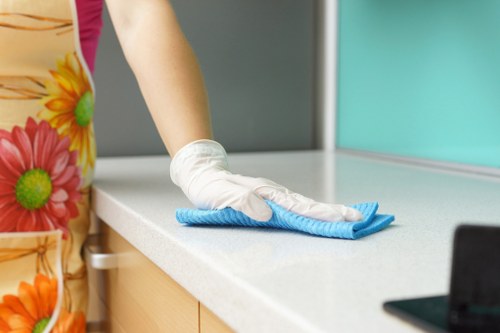
End of tenancy cleaning in any rental property is more than a final tidy-up. It is the deep, detailed cleaning process that helps a tenant leave the home in the same condition it was received, aside from fair wear and tear. When done properly, it can make a major difference to how smoothly a tenancy ends, how quickly a property is re-let, and whether a deposit is returned in full.
For tenants, this task is often tied to a stressful moving day. There are boxes to pack, utilities to transfer, keys to hand back, and deadlines to meet. For landlords and letting agents, the priority is to prepare the space for the next occupant without unnecessary delays. That is why end of tenancy cleaning is one of the most important steps in the moving-out process.
It is also a topic that matters to a wider audience than renters alone. Property managers, landlords, and even homeowners preparing a property for sale can benefit from understanding what a proper deep clean includes. In many cases, the level of detail expected is much higher than regular domestic cleaning, especially in kitchens, bathrooms, and high-traffic living areas.
What End of Tenancy Cleaning Actually Includes

End of tenancy cleaning is a full-property, top-to-bottom clean that focuses on restoring the property to a professionally presentable condition. It usually includes areas that are often overlooked during weekly routines, such as skirting boards, behind appliances, inside cupboards, and around fixtures.
While every property is different, a typical service may cover the following:
- Kitchen cleaning: ovens, hobs, extractor fans, cupboards, drawers, splashbacks, sinks, taps, and countertops.
- Bathroom cleaning: toilets, sinks, showers, bathtubs, glass screens, tiles, mirrors, and grout lines.
- Living areas and bedrooms: dusting furniture, wiping doors, vacuuming floors, cleaning light switches, and removing cobwebs.
- Floors and carpets: vacuuming, mopping, and in some cases deep carpet cleaning or stain treatment.
- Windows and glass surfaces: cleaning internal glass, frames, and sills where accessible.
End of tenancy cleaning in a furnished property may also involve upholstery, mattresses, and furniture detailing. The exact checklist can vary depending on the tenancy agreement, inventory report, and landlord expectations. This is why reading the move-out requirements carefully is so important.
Why a Professional-Level Clean Can Protect Your Deposit
One of the strongest reasons tenants invest in end of tenancy cleaning in their rental property is the deposit. Deposit deductions often happen when cleaning standards fall short, especially if the final condition differs significantly from the move-in inventory. Even when a property is left in decent shape, missed spots can still lead to disputes.
A professional-style clean reduces the chance of disagreements by addressing the details that are easy to miss. That includes grease inside the oven, limescale in the bathroom, dust on top of cabinets, and fingerprints on switches or doors. These are the kinds of issues that landlords and letting agents commonly check during the final inspection.
It is also worth remembering that fair wear and tear is not the same as dirt or neglect. A faded carpet or slightly marked wall may not be a cleaning issue, but grime buildup, food residue, and neglected surfaces usually are. A strong end of tenancy cleaning approach helps separate normal ageing from avoidable cleaning problems.
Common deposit issues linked to cleaning
- Dirty ovens and kitchen appliances
- Bathroom limescale and soap scum
- Dust buildup on skirting boards and furniture
- Stained carpets or dirty floors
- Unemptied bins and leftover personal items
How End of Tenancy Cleaning Differs from Regular Cleaning
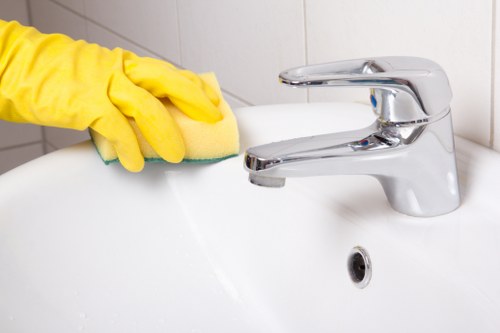
Regular cleaning is about maintaining day-to-day hygiene and order. End of tenancy cleaning, however, is designed to reach a much higher standard. It is deeper, more thorough, and more time-consuming because it targets built-up dirt rather than surface-level mess.
For example, a weekly kitchen clean may include wiping worktops and sweeping floors. A move-out clean goes further by degreasing the oven, cleaning inside cabinets, removing food residue from hidden corners, and making sure every accessible surface is spotless. The same principle applies to bathrooms, where a routine wipe-down becomes a full descaling and sanitizing process.
Another key difference is scope. Regular cleaning often focuses on visible spaces, while end of tenancy cleaning in a rental property includes areas such as behind radiators, around appliances, under furniture, and along edges where dust gathers. Because of this, many tenants choose professional help or dedicate an entire day—or more—to the task.
Why the standards are higher
The property is being handed over to a new occupant. That means the condition must support a smooth transition and meet inspection standards. In other words, the goal is not just “clean enough” for personal use; it is to meet the expectations of the landlord, agent, or incoming tenant.
Areas That Need Special Attention During End of Tenancy Cleaning

When planning end of tenancy cleaning in a home, it helps to break the property into zones. This makes the work more manageable and ensures nothing important is missed. The kitchen and bathroom often require the most effort, but bedrooms, hallways, and living rooms also need attention.
Kitchen
The kitchen is usually the hardest-working room in any home, which means it collects grease, crumbs, moisture, and stains quickly. A proper end-of-tenancy clean should include the following:
- Cleaning inside and outside of cupboards
- Degreasing the hob and extractor fan
- Deep cleaning the oven and trays
- Wiping appliances such as the fridge, freezer, and microwave
- Scrubbing sinks, taps, and splashback areas
- Mopping floors and cleaning under movable appliances
Tip: If appliances were supplied with the property, leaving them spotless can make a strong impression during inspection.
Bathroom
Bathrooms are another major inspection area. Hard water stains, soap residue, mould, and limescale tend to build up here, especially around showers, taps, and tile grout. A proper end of tenancy cleaning routine should focus on disinfecting surfaces while also restoring shine to glass, ceramics, and chrome fittings.
Practical Steps for a Thorough Move-Out Clean

Whether you are doing the work yourself or hiring a specialist, a clear process makes end of tenancy cleaning much easier. Start from the top of the room and work downward so dust and debris fall onto surfaces that have not yet been cleaned.
A sensible cleaning sequence
- Remove all personal belongings and rubbish.
- Dust ceilings, light fixtures, and high shelves.
- Clean walls, doors, switches, and handles.
- Wipe down cupboards, furniture, and internal storage areas.
- Deep clean the kitchen and bathroom fixtures.
- Vacuum carpets and mop hard flooring.
- Finish with windows, mirrors, and final touch-ups.
Using the right tools is just as important as the sequence. Microfiber cloths, a quality vacuum cleaner, non-abrasive scrub pads, a degreaser, glass cleaner, and bathroom descaler can make a noticeable difference. For tougher tasks, such as oven cleaning or limescale removal, dedicated products often work better than all-purpose sprays.
End of tenancy cleaning in rental properties also benefits from good lighting. A room can look clean in natural daylight but reveal dust or streaks under brighter inspection conditions. Checking each space from different angles helps identify areas that need a final pass.
Should You Clean It Yourself or Hire a Service?
The decision between DIY cleaning and hiring a professional service depends on time, budget, and the condition of the property. Many tenants choose to do the work themselves, especially if they are confident with detailed cleaning and have enough time before the handover. Others prefer professional end of tenancy cleaning in order to save time and reduce stress during a hectic move.
Doing it yourself can be cost-effective, but it may also be physically demanding and time-consuming. A full property clean often takes far longer than people expect, especially if the home has multiple bedrooms, carpets, or heavily used appliances. If the tenancy agreement includes strict cleanliness requirements, a professional service may be the safer option.
Hiring specialists can be particularly helpful when the property needs deep cleaning after long-term occupancy. In these cases, professional tools and experience can handle stubborn dirt more efficiently. Many tenants also appreciate the peace of mind that comes with a structured checklist and a result that looks inspection-ready.
Questions to ask yourself
- How much time do I have before the final inspection?
- Are there tough areas like ovens, carpets, or bathrooms that need extra attention?
- Do I have the right equipment and products?
- Would a professional-level finish reduce the risk of deductions?
How Landlords and Letting Agents View Cleanliness
From a landlord’s point of view, end of tenancy cleaning is about more than appearances. It affects how quickly a property can be advertised again, how attractive it looks in viewings, and how much work is needed before the next tenancy begins. A clean, well-presented property creates a better first impression and may even help attract reliable tenants faster.
Letting agents often compare the outgoing condition of the property with the inventory report from the start of the tenancy. This makes documentation important. If the home was properly cleaned before move-in, it is more likely that cleaning expectations will be clearly defined at move-out. For tenants, this means the standard is easier to understand and prepare for.
For landlords, end of tenancy cleaning in a vacant property also helps protect long-term value. Dirt left behind for too long can cause stains, odours, or even surface damage. Routine turnovers that include a strong final clean can reduce maintenance costs and keep the property looking cared for.
What agents often notice first
- Kitchen appliances and greasy surfaces
- Bathroom shine and hygiene
- Floor condition, especially corners and edges
- Dust on blinds, skirting boards, and fixtures
- General freshness and odour levels
Making End of Tenancy Cleaning Less Stressful
Moving is one of life’s more demanding events, so it makes sense to reduce pressure wherever possible. The easiest way to stay on top of end of tenancy cleaning in a property is to start early rather than waiting until the last day. A phased approach is often much less overwhelming.
For example, you could clean one room at a time over several days. Start with storage spaces, then move to living areas, and leave the kitchen and bathroom for a final focused session. If you are sharing the property, divide the work between household members so no one is stuck with the entire burden.
Useful preparation tips:
- Read the tenancy agreement carefully for cleaning obligations.
- Compare the property condition with the inventory report.
- Stock up on cloths, sprays, gloves, and replacement sponges.
- Defrost the fridge and freezer in advance if needed.
- Allow extra time for drying floors and airing rooms.
Some tenants also take photos after cleaning to document the final condition. While this is not a substitute for a proper clean, it can be useful if there is ever a dispute about the property’s state at handover.
Special Considerations for Carpets, Windows, and Upholstery
Not every tenancy includes the same features, but carpets, curtains, and upholstery are often included in the inspection. These items collect dust and smells over time, so end of tenancy cleaning should address them where relevant. Vacuuming is usually essential, but some properties benefit from deeper treatment.
Carpets may need stain treatment or steam cleaning if they have visible marks, heavy foot traffic, or pet-related odours. Windows should be cleaned inside, including sills and frames, and any accessible glass panels should be streak-free. Upholstered furniture can be vacuumed and spot-cleaned to remove crumbs, dust, and surface marks.
These details matter because they contribute to the overall impression of cleanliness. Even if every other room is tidy, a stained carpet or dusty window frame can make the property seem neglected. A balanced end of tenancy cleaning in any home should therefore include fabric and glass surfaces as well as hard materials.
Extra attention can help with:
- Pet hair and odors
- Food stains on soft furnishings
- Dust around curtain rails and blinds
- Water spots on internal glass
Final Inspection Readiness
The purpose of end of tenancy cleaning in a rental property is not only to make the space look tidy but to make it ready for inspection. That means walking through the property as though you were the person checking it. Look at corners, edges, and hard-to-reach spots. Open cupboards. Check inside drawers. Stand in each room and ask whether it looks consistently clean from top to bottom.
It also helps to understand the difference between a good clean and an inspection-ready clean. A good clean removes obvious dirt. An inspection-ready clean removes the details that tend to trigger comments or deductions. Those details may be small, but they matter when a landlord or letting agent assesses the property.
If you are planning to hire help, book your service now before your move-out date gets too close. Availability can become limited during busy moving periods, and leaving the clean until the last minute can create unnecessary stress. If you are doing it yourself, build in a buffer so you can revisit any missed areas before handing back the keys.
Why This Service Remains in High Demand
End of tenancy cleaning remains in steady demand because rental homes are constantly changing hands. Tenants need a reliable way to leave properties in good condition, while landlords need spaces that are ready for marketing and viewings. That ongoing cycle keeps the need for detailed move-out cleaning high.
Search interest also reflects a practical reality: many people are not sure where to start. They know the property must be cleaned, but they may not know the expected standard or the best order of work. That is why the phrase end of tenancy cleaning in home-moving contexts appears frequently in searches, advice pages, and property-related content.
For anyone preparing to move, the key takeaway is simple: a thoughtful, well-planned clean saves time, supports a smoother handover, and reduces avoidable disputes. Whether you tackle the work yourself or use a specialist service, the aim is the same—leave the property looking cared for, fresh, and ready for the next chapter.
Key benefits at a glance
- Improves the chances of a full deposit return
- Helps meet landlord or agent expectations
- Makes the property more appealing for future tenants
- Reduces moving-day stress through better planning
- Creates a cleaner, healthier final environment
Contact us today to arrange a suitable cleaning plan, or book your service now if you want a move-out clean that is efficient, detailed, and ready for inspection.