Office Cleaning for a Healthier, More Productive Workplace
Office cleaning is more than a visual upgrade. It supports healthier employees, creates a stronger first impression, and helps businesses maintain a professional environment every single day. In busy workplaces, dust, clutter, and germs can build up quickly, making regular office cleaning an essential part of operations rather than an optional extra. Whether you manage a small team, a corporate floor, or a shared workspace, keeping your office clean can influence morale, productivity, and even the longevity of furniture and equipment.
Today’s businesses are paying closer attention to workplace hygiene, air quality, and sanitation. That means office cleaning services are no longer limited to emptying bins and vacuuming carpets. Modern cleaning routines often include disinfecting high-touch surfaces, sanitizing kitchens and washrooms, maintaining floors, and ensuring that meeting rooms, reception areas, and workstations stay presentable. A clean office helps employees feel valued and supports a work culture built on professionalism and care.
In this article, we’ll explore what office cleaning involves, why it matters, how to build a practical cleaning plan, and what features to look for in a reliable service. You’ll also find useful tips for improving day-to-day cleanliness, boosting hygiene, and making office cleaning more effective. If your workplace is ready for a fresher, healthier environment, book your service now and take the first step toward a better office experience.
Why Office Cleaning Matters for Every Workplace

Office cleaning plays a critical role in the way a business operates. A tidy workplace helps reduce distractions, improves employee comfort, and supports a more organized workflow. When people enter a clean office, they immediately notice the difference. Fresh floors, clean desks, and sanitized common areas send a message that the business is professional, detail-oriented, and committed to quality.
Beyond appearance, office cleaning also supports health and safety. Shared spaces can quickly become breeding grounds for bacteria and viruses, especially around door handles, conference tables, kitchen counters, and elevator buttons. Routine cleaning and disinfection help reduce the spread of germs, which can mean fewer sick days and better overall attendance. In other words, office cleaning is an investment in both people and performance.
There is also a direct link between cleanliness and productivity. Employees working in cluttered or dirty spaces may feel stressed, distracted, or less motivated. A well-maintained office, on the other hand, can encourage focus and create a more positive atmosphere. For businesses that host clients, partners, or visitors, office cleaning also improves trust and strengthens the company image from the moment someone walks through the door.
What Office Cleaning Typically Includes

Office cleaning services can be tailored to the needs of each workplace, but most plans cover a core set of tasks. These tasks are designed to keep the environment presentable, sanitary, and functional. Depending on the size of the office and the frequency of cleaning, the service may include daily upkeep, weekly deep cleaning, or specialized treatment for specific areas.
Common office cleaning tasks often include dusting surfaces, vacuuming carpets, mopping hard floors, sanitizing desks, polishing glass, removing trash, and cleaning restrooms. In many workplaces, cleaners also handle kitchen and break room hygiene, replenishing supplies and wiping down appliances. Some businesses may require additional services such as window cleaning, upholstery care, or floor waxing.
To better understand what office cleaning may include, here are some typical areas covered:
- Workstations: desks, chairs, phones, monitors, and shared equipment
- Common areas: hallways, lounges, lobbies, and waiting rooms
- Meeting rooms: tables, screens, conference chairs, and presentation surfaces
- Washrooms: toilets, sinks, mirrors, floors, and dispensers
- Kitchen spaces: counters, sinks, microwaves, fridges, and tables
Benefits of Professional Office Cleaning

Professional office cleaning offers advantages that go well beyond basic tidiness. One of the biggest benefits is consistency. Trained cleaners follow a schedule and a checklist, which helps ensure that important tasks are not overlooked. This consistency is especially valuable in busy offices where staff members do not have time to manage cleaning responsibilities themselves.
Another major benefit is expertise. A professional office cleaning team understands which products to use on different surfaces, how to handle high-traffic areas, and how to maintain hygiene without causing damage. For example, some materials require gentle cleaning agents, while others need stronger disinfectants. Using the wrong product can lead to wear, discoloration, or reduced equipment life. Professional cleaners help avoid those issues while maintaining high standards.
There are also practical business benefits. Clean offices tend to leave a stronger impression on visitors and clients. They may also improve employee morale, which can support retention and day-to-day satisfaction. When companies choose reliable office cleaning services, they often save time, reduce internal workload, and create a more polished workplace overall.
Key advantages include:
- Improved hygiene and infection control
- Better first impressions for clients and guests
- Increased employee comfort and focus
- Reduced wear on carpets, furniture, and fittings
- More efficient use of staff time
Office Cleaning Frequency: What Works Best?
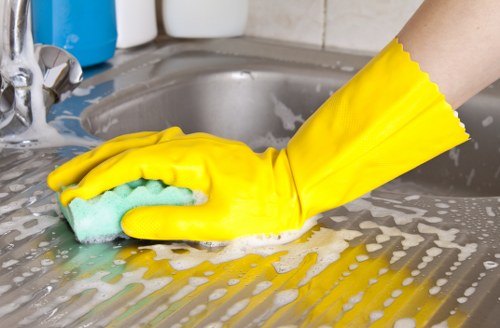
The right office cleaning schedule depends on the size of the workspace, the number of employees, and the nature of the business. A small office with limited foot traffic may only need cleaning a few times a week, while a larger commercial space often requires daily service. High-traffic or client-facing environments may need extra attention to maintain a consistently professional look.
For many businesses, the best approach is to combine daily light cleaning with periodic deep cleaning. Daily cleaning typically covers bins, washrooms, kitchens, vacuuming, and disinfecting touchpoints. Deep cleaning may happen weekly, monthly, or quarterly and can include carpet shampooing, window cleaning, detail dusting, and sanitizing hard-to-reach areas. This balanced approach helps keep the office fresh while preventing buildup over time.
It’s also important to adjust the schedule based on seasonal or operational changes. For example, during flu season, office cleaning may need to focus more heavily on disinfection. If the office hosts frequent meetings, events, or client visits, common areas may require additional cleaning to stay presentable. A flexible schedule ensures that the office always meets the demands of the moment.
Factors that affect cleaning frequency
- Number of employees using the space
- How often clients or visitors come into the office
- The layout and size of the workplace
- Whether food is prepared or consumed on-site
- The type of flooring, furniture, and fixtures in use
How to Build an Effective Office Cleaning Plan

Creating a practical office cleaning plan starts with understanding the needs of the workplace. Every office has different priorities. Some need special attention in reception areas, while others require more focus on shared desks, meeting rooms, or break areas. A strong office cleaning plan identifies those priorities and assigns tasks accordingly, helping the space stay clean without wasting time or resources.
Start by listing all key areas in the office and deciding how often each should be cleaned. High-touch surfaces such as door handles, light switches, elevator buttons, and shared printers should be cleaned more frequently than low-traffic areas. Restrooms and kitchens need regular sanitizing, while floors and carpets may need specific weekly or monthly treatments. Clear routines reduce confusion and help maintain quality over time.
Next, determine whether the work will be done in-house, outsourced, or through a combination of both. Some companies prefer to have staff handle light tidying, while professional cleaners manage specialized tasks. Either way, the most successful office cleaning plans include accountability, clear expectations, and regular review. This makes it easier to spot issues early and adjust the approach if needed.
Helpful steps for planning office cleaning
- Identify all office areas and cleaning priorities
- Set a realistic cleaning frequency for each zone
- Assign responsibilities clearly
- Choose appropriate cleaning products and methods
- Review performance and update the plan when required
Office Cleaning and Workplace Health
One of the most important reasons to invest in office cleaning is its impact on workplace health. Offices are shared environments, which means germs can spread quickly if surfaces are not cleaned regularly. Desks, keyboards, phones, meeting tables, and communal kitchen appliances are especially common contact points. A disciplined cleaning routine helps lower the risk of illness and supports a safer environment for everyone.
Clean offices also contribute to better air quality. Dust, allergens, and debris can accumulate in carpets, vents, and furniture upholstery, which may affect people with sensitivities. Regular dusting and vacuuming can reduce these irritants and make the office more comfortable. In spaces where indoor air quality matters, office cleaning should be paired with good ventilation and routine maintenance.
Additionally, hygiene in the workplace can influence employee confidence. When people see that the business takes cleanliness seriously, they are more likely to feel respected and secure. This is especially important in modern offices where shared resources are common. Office cleaning helps create a space where employees can focus on their work instead of worrying about dirty conditions or poor sanitation.
Health-focused cleaning priorities
- Disinfect high-touch points daily
- Keep washrooms stocked and sanitized
- Maintain clean kitchen and food-prep areas
- Control dust in vents, carpets, and upholstery
- Use safe products suited to workplace surfaces
Choosing the Right Office Cleaning Service
Selecting an office cleaning provider requires more than comparing prices. Businesses should look for reliability, experience, and a service offering that matches the needs of the workspace. A strong provider should understand the demands of office cleaning, communicate clearly, and be able to adapt to changing requirements as the business grows or evolves.
It’s useful to ask about the scope of services, cleaning schedules, staff training, and product selection. A quality provider should be able to handle both routine office cleaning and deeper specialist tasks. They should also use methods that are appropriate for office environments, especially in areas with sensitive equipment, polished surfaces, or customer-facing spaces.
Another key consideration is flexibility. Offices do not all operate on the same timetable, so cleaning may need to happen early in the morning, after hours, or on specific days. A provider that can work around business operations helps minimize disruption. That convenience is a major reason many companies outsource office cleaning rather than trying to manage everything internally.
What to look for in an office cleaning provider
- Clear service descriptions and reliable scheduling
- Experience with commercial and office environments
- Consistent quality standards and attention to detail
- Use of appropriate cleaning products and equipment
- Ability to adapt to the needs of your workplace
Office Cleaning Best Practices for Daily Maintenance
Even with professional support, everyday habits make a big difference. Small actions by employees and managers can help maintain a cleaner office between scheduled visits. When everyone contributes, office cleaning becomes more effective and the whole workplace benefits from a more organized environment.
One smart practice is to encourage “clean as you go” habits. This means clearing desks, wiping spills quickly, putting items back in place, and disposing of waste properly. Shared areas should also be kept tidy throughout the day. If each employee takes responsibility for their own space, routine office cleaning becomes easier and more efficient.
It also helps to keep cleaning supplies accessible in key areas. Disinfecting wipes, hand sanitizer, paper towels, and waste bins should be easy to find in kitchens, meeting rooms, and washrooms. These tools support hygiene and make it simpler to maintain standards between professional visits. A cleaner office often starts with clear expectations and easy access to the right tools.
Simple habits that support cleanliness
- Wipe desks and shared equipment regularly
- Empty personal bins before they overflow
- Clean kitchen messes immediately after use
- Keep meeting rooms tidy after each session
- Report spills or maintenance issues quickly
Common Office Cleaning Challenges and How to Handle Them
Office cleaning can be challenging in busy workplaces, especially where traffic is high and schedules are tight. One common issue is clutter. Papers, cables, personal items, and equipment can make cleaning harder and reduce the effectiveness of the process. To solve this, offices should create organized storage systems and encourage staff to keep desks reasonably clear.
Another challenge is maintaining consistency in shared spaces. Meeting rooms, kitchens, and restrooms are used by many people, so they can become messy quickly. These spaces benefit from more frequent office cleaning and a clear division of responsibilities. Without regular attention, even a well-managed office can start to look neglected.
Technology and equipment can also complicate cleaning. Computers, phones, printers, and screens require careful handling. The solution is to use trained cleaners who understand how to work around electronic devices safely. This protects valuable assets while still keeping the office clean, hygienic, and professional.
Typical challenges include:
- Cluttered desks and storage areas
- High traffic in shared zones
- Sensitive office equipment and electronics
- Limited time for cleaning during business hours
- Inconsistent cleaning habits among staff
The Role of Office Cleaning in Business Image
First impressions matter, and office cleaning has a direct effect on how people view your business. When clients, investors, candidates, or suppliers walk into a spotless office, they often associate that cleanliness with professionalism, organization, and attention to detail. A clean workspace can quietly reinforce the quality of your brand before anyone even says a word.
This is especially important in reception areas, conference rooms, and executive spaces. These parts of the office are often seen by visitors first, so they should be kept in excellent condition. Dust-free surfaces, polished floors, fresh restrooms, and tidy seating areas all contribute to a strong impression. In competitive industries, that attention to presentation can make a meaningful difference.
Office cleaning also supports internal branding. Employees notice when leadership values their environment. A well-kept workplace can communicate respect, stability, and high standards. That sense of care often extends beyond appearances and influences the way people think about the organization as a whole.
Ways cleanliness supports your brand
- Builds trust with visitors and clients
- Shows professionalism and consistency
- Reinforces a positive company culture
- Supports employee pride in the workplace
- Improves the overall perception of quality
Why Regular Office Cleaning Is a Smart Long-Term Investment
Regular office cleaning is not just about keeping things neat today. It also helps protect the workplace over time. Dirt, dust, moisture, and grime can damage carpets, furniture, floors, and fixtures if they are left unchecked. Routine maintenance extends the life of these assets and can reduce the need for costly replacements or repairs.
There are also financial advantages linked to employee health and productivity. Fewer absences, better morale, and a more organized environment can all contribute to smoother business operations. When a workspace is clean, teams can work more efficiently and with fewer distractions. That efficiency often has a real business value.
In the long run, office cleaning supports stability, reputation, and workplace wellbeing. It is one of the simplest ways to protect a business environment while making it more attractive, healthy, and functional. Whether your company is growing or already well established, regular cleaning should remain a core part of your operational plan. Contact us today to keep your office looking its best and performing at a higher standard.
Keeping your workplace clean is an ongoing commitment, but the rewards are worth it. With the right approach, office cleaning can support health, improve focus, and help your business present itself with confidence every day.