House Cleaning: Practical Tips, Smart Routines, and Professional Results
House cleaning is one of those household tasks that never really disappears, but it can become far more manageable when you approach it with the right strategy. Whether you’re trying to keep a busy family home organized, maintain a spotless apartment, or prepare a property for guests, a smart house cleaning routine can save time, reduce stress, and improve everyday comfort. A clean home also supports better indoor air quality, creates a more welcoming atmosphere, and helps protect furniture, flooring, and appliances from avoidable wear.
Many people think of house cleaning as a long list of chores, but it is better understood as a system. When cleaning is broken into routines, zones, and priorities, the work becomes easier to maintain. Instead of waiting until everything feels overwhelming, you can build habits that keep dirt, dust, and clutter from taking over. This article explores practical house cleaning methods, room-by-room strategies, time-saving techniques, and ways to make your home look and feel fresh all year long.
From daily touch-ups to weekly deep cleaning tasks, there are many ways to keep a home in excellent condition. You do not need fancy tools or complicated processes to see results. Often, the most effective house cleaning approach is simply the one you can stick with consistently. The goal is not perfection; the goal is a healthier, more comfortable, and more organized living space that fits your lifestyle.
Why House Cleaning Matters More Than People Realize
Regular house cleaning does more than make a home look nice. It removes dust, allergens, spills, and bacteria that can build up over time. For households with children, pets, or frequent visitors, consistent cleaning is especially important because messes tend to multiply quickly. Clean surfaces and organized spaces can also reduce the mental load that comes from living in a cluttered environment.
There is also a practical side to house cleaning. When you clean on a regular basis, you can spot small issues before they become bigger problems. For example, a routine wipe-down may reveal a leaking faucet, a cracked tile, or a stain that needs attention before it sets permanently. In this way, cleaning is also a form of home maintenance.
Many homeowners and renters find that a tidy environment supports better focus and relaxation. A clean kitchen makes meal prep easier, a clear living room feels more inviting, and an organized bedroom can improve rest. Small efforts done consistently often create the biggest long-term benefits.
Building a House Cleaning Routine That Actually Works

The best house cleaning routine is one that fits your schedule and energy level. If you try to do everything at once, it can quickly become exhausting. Instead, divide your tasks into daily, weekly, and monthly priorities. This method helps you maintain a clean home without feeling like you are constantly chasing chores.
A practical routine should include the areas that affect comfort the most: kitchens, bathrooms, floors, and high-touch surfaces. These spaces tend to collect dirt faster than others, so they benefit from frequent attention. By focusing on the right places at the right time, you avoid unnecessary work and keep the entire home in better shape.
Consistency is the secret. Even ten to fifteen minutes per day can make a noticeable difference. If you have a large home, break cleaning into zones so each section gets attention on a rotating schedule. If you live in a smaller space, a simple daily reset and a weekly deep clean may be enough to stay ahead of clutter.
Daily Cleaning Tasks
Daily tasks are the small habits that prevent mess from piling up. They usually take only a few minutes and help maintain a baseline level of cleanliness.
- Wipe kitchen counters after meals
- Load or unload dishes
- Put away clothes, shoes, and personal items
- Quickly sweep high-traffic floors
- Disinfect high-touch surfaces such as switches and handles
When these tasks become part of your normal routine, house cleaning becomes less overwhelming and more automatic.
Weekly House Cleaning Tasks for a Fresher Home
Weekly cleaning is where most homes get the refresh they need. These tasks go beyond quick tidying and address the buildup that naturally occurs over several days. Setting aside a dedicated block of time once a week can help you maintain order and cleanliness throughout the home.
A weekly schedule should include vacuuming, mopping, bathroom scrubbing, dusting, and bed linen changes when needed. These chores keep common areas pleasant and reduce the chance of dirt spreading from room to room. Targeted weekly house cleaning is one of the simplest ways to preserve the overall appearance of your home.
Some people prefer doing all weekly tasks on one specific day, while others spread them throughout the week. Either method can work as long as it is realistic. If your weekends are busy, try pairing cleaning with other routines, such as laundry day or grocery day, so it feels less like an extra burden.
Weekly Cleaning Checklist
- Vacuum carpets and rugs
- Mop hard floors
- Clean bathroom sinks, toilets, mirrors, and showers
- Dust shelves, furniture, and baseboards
- Change bedding and wash towels
- Empty trash bins and sanitize them as needed
When handled regularly, these tasks are easier and faster than letting them wait for a major cleanup day.
Room-by-Room House Cleaning Strategies
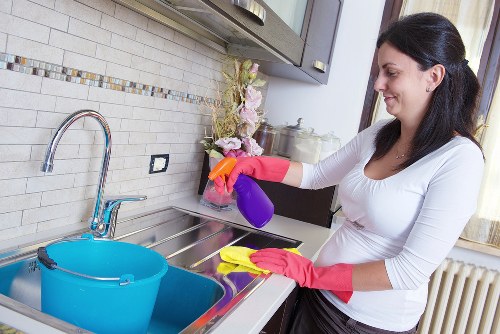
Different rooms require different cleaning methods because they serve different purposes. The kitchen collects grease and food residue, bathrooms face moisture and soap buildup, and bedrooms gather dust and fabric fibers. A room-by-room approach helps you clean more efficiently by using the right tools and techniques in the right place.
Kitchen house cleaning should focus on sanitizing surfaces, cleaning appliances, and removing food particles before they attract pests or create odors. Bathrooms need attention to moisture control, disinfection, and hard-water stain removal. Bedrooms benefit from dust control, tidy storage, and regular fabric care. Living spaces should be kept free of clutter, with dusting and vacuuming done consistently.
This method also helps when you are short on time. If you cannot clean the whole house at once, you can prioritize the room that matters most on a given day. Over time, every space receives the attention it needs without forcing you into an exhausting all-day cleaning session.
Kitchen Cleaning Tips
- Wipe counters before and after cooking
- Clean spills immediately
- Degrease stovetops and range hoods regularly
- Sanitize sink areas and cutting boards
- Take out trash before odors build up
Bathroom Cleaning Essentials
Bathroom cleaning should focus on preventing mildew, soap residue, and grime. Use appropriate cleaners for tiles, glass, toilets, and fixtures. Ventilation is also important because excess moisture makes cleaning harder and can encourage odor or mold issues. A clean bathroom makes the entire home feel more hygienic and comfortable.
Bedroom and Living Area Maintenance
These areas often look clean until dust starts to settle on surfaces or clutter begins to accumulate. Rotate cushions, vacuum under furniture, and keep storage spaces organized. A neat bedroom and living room make the home feel calmer and more polished.
Deep House Cleaning for Long-Term Results

Deep house cleaning goes beyond the surface. It involves reaching places that are often overlooked during daily or weekly routines, such as behind appliances, under furniture, inside cabinets, and along vents or trim. This deeper level of cleaning is especially helpful during seasonal changes, before special events, or after periods of heavy use.
Many households schedule deep cleaning monthly, quarterly, or seasonally depending on their needs. The exact frequency depends on the size of the home, how many people live there, and whether there are pets or children. Deep cleaning is not just about appearance; it helps preserve the condition of your home and supports a healthier indoor environment.
Because deep cleaning can take longer than routine chores, it works best when broken into sections. You might choose one weekend for the kitchen, another for bathrooms, and another for bedrooms or storage areas. This staggered approach keeps the process manageable and helps you avoid burnout.
Deep Cleaning Priorities
- Clean behind and beneath large furniture
- Wipe baseboards, door frames, and vents
- Wash windows, tracks, and blinds
- Clean inside cabinets, drawers, and pantry shelves
- Detail appliances such as ovens, refrigerators, and microwaves
When these areas are cleaned regularly, the home feels brighter, fresher, and more organized from top to bottom.
Time-Saving House Cleaning Tips for Busy Households
Busy schedules do not have to mean a messy home. Smart house cleaning is often about reducing friction and making each task easier to complete. If your routine feels too complicated, it may be time to simplify the process. Choosing the right tools, storing supplies where you use them, and cleaning in short bursts can make a major difference.
One effective strategy is to keep cleaning products in the room where they are used most often. For example, bathroom wipes in the bathroom and microfiber cloths in the kitchen make quick cleanups easier. Another helpful habit is to clean while you wait, such as wiping counters while food cooks or tidying a room while laundry runs. These small actions add up quickly.
It also helps to create a simple system for decluttering. If every item has a home, cleanup becomes much faster. Less clutter means less dusting, less shifting, and less stress. A more organized house is naturally easier to clean and maintain.
Tools That Make House Cleaning Easier
- Microfiber cloths for dusting and wiping
- A vacuum with attachments for corners and upholstery
- A mop suitable for your floor type
- Scrub brushes for tile, grout, and tight spaces
- Storage caddies for portable cleaning supplies
Choosing dependable tools can reduce the time needed for each task and improve the final result.
Eco-Friendly House Cleaning Choices
More people are looking for house cleaning options that are effective without being overly harsh. Eco-friendly cleaning focuses on reducing unnecessary chemical exposure while still maintaining a hygienic home. This can be especially appealing for families, pet owners, and anyone sensitive to strong odors or ingredients.
Simple cleaning ingredients and reusable tools can go a long way when used correctly. Microfiber cloths reduce the need for disposable wipes, and careful product selection can help you avoid using more than necessary. Eco-friendly house cleaning is not about sacrificing performance; it is about choosing smarter methods.
Good ventilation matters too. Opening windows when weather allows, using fans, and avoiding product overuse can improve comfort while cleaning. The result is a home that feels fresh without relying on heavy fragrances or excessive residues.
Practical Green Cleaning Habits
- Use reusable cleaning cloths when possible
- Choose concentrated products and dilute them properly
- Avoid mixing chemicals
- Ventilate rooms during and after cleaning
- Dispose of waste responsibly
How to Keep House Cleaning from Becoming Overwhelming
One of the biggest reasons people struggle with house cleaning is that they wait too long between sessions. When chores pile up, the job feels bigger than it really is. The solution is not to work harder; it is to work more regularly and more strategically. A manageable pace is usually more sustainable than a large cleaning marathon.
Try dividing chores into smaller tasks with clear time limits. For example, set a timer for 15 minutes and clean one section of a room. You can also use a “top to bottom” method, cleaning high surfaces first and floors last so dust and debris fall where they can be removed later. This prevents rework and creates a smoother process.
Motivation often follows action. Once you start, the task usually feels less difficult than expected. Music, a checklist, or a simple reward at the end can make cleaning more enjoyable and help you stay consistent.
Professional House Cleaning Services: When to Consider Them
Even with a strong routine, there are times when professional house cleaning services make sense. A professional team can save time, handle deep cleaning tasks, and support households facing busy schedules, physical limitations, or major cleaning needs. Many homeowners use professional services before moving, after events, or during seasonal resets.
Professional cleaning can also be useful when a home needs a more detailed refresh than routine upkeep can provide. Trained cleaners often have equipment and techniques that help with stubborn buildup, hard-to-reach spaces, and time-consuming tasks. If you feel like you are always behind, a professional house cleaning service can help restore balance.
Knowing when to ask for support is part of smart home care. It does not replace your own effort; it complements it. For many households, the best results come from a mix of everyday maintenance and occasional professional help. If your home needs a reset, book your service now and get back to enjoying your space.
House Cleaning Mistakes to Avoid
Even well-intentioned cleaning routines can become less effective when common mistakes get in the way. Using too much product, skipping high-touch areas, or cleaning in the wrong order can create extra work. The good news is that these problems are easy to fix once you recognize them.
Another mistake is using the same method for every surface. Different materials need different care, and using the wrong cleaner can damage finishes or leave residue behind. It is also easy to overlook hidden areas like behind doors, under sinks, and around vents, which is why a structured approach is so helpful.
- Do not overload surfaces with cleaner
- Do not skip dusting before vacuuming
- Do not ignore vents, baseboards, and handles
- Do not store clutter in “temporary” piles for too long
- Do not wait for dirt to become visible before cleaning
With a few adjustments, your house cleaning routine can become more effective and less stressful.
Creating a Home That Stays Cleaner for Longer
The easiest home to clean is the one designed to stay organized. Storage solutions, simple habits, and clear routines all help reduce everyday mess. Hooks by the door, baskets for loose items, labeled bins, and clear counters can prevent clutter from spreading. When each item has a practical place, cleanup becomes faster and more intuitive.
It also helps to involve everyone in the household. Even small contributions make a difference, especially in shared spaces. Children can help put toys away, partners can split kitchen duties, and roommates can rotate weekly responsibilities. Shared effort makes house cleaning feel fairer and more sustainable.
A cleaner home starts with everyday decisions. When you put things back in place, wipe up spills quickly, and stick to a manageable routine, you create a living environment that supports comfort and ease. That is the real value of house cleaning: not just a spotless appearance, but a home that works better for the people living in it.
Final Thoughts on House Cleaning
House cleaning does not have to be complicated, exhausting, or all-consuming. With the right routine, a few reliable tools, and a clear plan, you can keep your home in excellent shape without losing your free time. The most effective approach is usually a balanced one: daily habits, weekly upkeep, occasional deep cleaning, and professional support when needed.
Whether you are focused on a single apartment or a busy family house, consistent care makes a visible difference. Clean surfaces, organized rooms, and fresh-smelling spaces improve comfort and create a healthier atmosphere. If you have been putting off your next cleaning reset, now is the perfect time to start. Contact us today or book your service now to take the next step toward a cleaner, calmer home.