Deep Cleaning in Modern Homes: A Practical, Fresh, and Spotless Approach
When people talk about maintaining a healthy and inviting home, deep cleaning is often the missing piece. Regular tidying keeps things looking neat, but deep cleaning reaches the hidden layers of dirt, grime, dust, and bacteria that slowly build up over time. Whether you live in a busy family home, a small apartment, or a shared space, deep cleaning can transform the way your home looks, feels, and even smells.
Unlike quick surface cleaning, deep cleaning targets neglected areas such as baseboards, vents, appliances, grout lines, behind furniture, and other high-touch or hard-to-reach spots. It helps create a cleaner, healthier environment while also extending the life of fixtures, flooring, and furnishings. If you have been searching for the best way to refresh your space, learning about deep cleaning is a smart place to start.
In this article, we’ll explore what deep cleaning involves, why it matters, which areas deserve extra attention, and how to create a realistic routine that actually works. You’ll also find practical tips, room-by-room advice, and simple strategies to make deep cleaning easier and more effective.
What Deep Cleaning Really Means
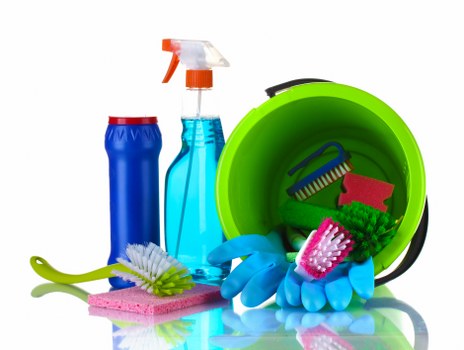
Deep cleaning is a more detailed and intensive cleaning process than routine housekeeping. It goes beyond wiping visible surfaces and focuses on removing buildup, sanitizing neglected areas, and restoring freshness throughout the home. Think of it as the difference between making a room look clean and making it truly clean.
While everyday cleaning may include vacuuming, dusting, and wiping counters, deep cleaning takes things further by addressing areas that are often ignored. This can include scrubbing bathroom tiles, cleaning behind appliances, degreasing kitchen surfaces, washing vents, polishing fixtures, and removing accumulated dust from corners and edges.
The goal of deep cleaning is not just appearance—it is hygiene, comfort, and long-term maintenance. By removing hidden dirt and allergens, you create a healthier living environment for everyone in the household. That is why deep cleaning is especially important for homes with pets, children, or anyone with allergies or respiratory sensitivities.
Why Deep Cleaning Matters for Every Home

Many homeowners and renters underestimate how much dirt collects in places they rarely see. Over time, dust, grease, soap scum, and moisture can accumulate in ways that affect air quality, surfaces, and even the overall mood of a home. Deep cleaning helps prevent these issues before they become larger problems.
One of the biggest benefits of deep cleaning is better health. Dust mites, mold spores, pet dander, and bacteria can settle into carpets, upholstery, and damp surfaces. Regular deep cleaning reduces these contaminants and can make indoor spaces feel noticeably fresher and safer.
Another major advantage is preservation. Kitchens, bathrooms, flooring, and furniture last longer when they are properly cared for. A consistent deep cleaning routine helps protect your investment by reducing wear, staining, and damage caused by buildup. It also makes future cleaning easier because dirt has less chance to bond to surfaces.
Signs Your Home Needs Deep Cleaning
Sometimes the need for deep cleaning is obvious, but often the signs are subtle. If your space feels dull, smells stale, or looks clean only at first glance, it may be time to go beyond basic chores. Deep cleaning is especially helpful when everyday cleaning no longer seems to make a visible difference.
Common signs include dusty ceiling fans, stubborn bathroom stains, grease around the stove, fingerprints on doors, grime in grout lines, and debris behind furniture. You may also notice that your home retains odors longer than it used to, which can indicate buildup in fabrics, carpets, or hidden corners.
Other clues include allergies acting up more often indoors, appliances running less efficiently, and floors losing their shine. If any of these sound familiar, a thorough deep cleaning session can make an immediate impact.
Frequent warning signs to watch for
- Persistent dust on surfaces shortly after cleaning
- Sticky kitchen cabinets or counters
- Soap scum and hard water stains in bathrooms
- Musty, stale, or lingering odors
- Dirty baseboards, vents, and window tracks
- Carpets or rugs that look flat or dingy
Key Areas to Focus on During Deep Cleaning

A successful deep cleaning routine pays attention to the areas most likely to collect grime. These often include the kitchen, bathrooms, floors, windows, and hidden spaces behind or under furniture. Instead of cleaning randomly, it helps to work through each room methodically so nothing gets overlooked.
In the kitchen, deep cleaning should include the inside and outside of appliances, cabinet fronts, backsplash areas, sink drains, and the space around handles and knobs. In bathrooms, focus on tile grout, shower doors, faucets, mirrors, vents, and behind the toilet. These are classic spots where buildup quietly accumulates.
Other important areas include baseboards, light switches, ceiling fans, curtains, blinds, and upholstered furniture. Because these spaces are often skipped during weekly cleaning, they can hold more dust and allergens than people realize. Deep cleaning these areas helps restore a whole-home sense of freshness.
Often-forgotten spaces
- Behind and under large furniture
- Inside trash bins and recycling containers
- Air vents and return grilles
- Window sills, tracks, and screens
- Door frames, handles, and switch plates
- Closets, shelves, and storage corners
Deep Cleaning the Kitchen the Right Way
The kitchen is one of the most important rooms to tackle during deep cleaning because it combines food prep, traffic, moisture, and grease. Even if it looks tidy, hidden residue can build up quickly. A detailed kitchen cleaning can dramatically improve the feel and function of the entire home.
Start with the appliances. Clean the oven, microwave, refrigerator shelves, dishwasher edges, and the outside of small appliances. Remove crumbs from drawers and wipe down the interior of cabinets and pantry shelves. Grease on range hoods, backsplash tiles, and stovetops should also be addressed with the right cleaning solution.
Pay special attention to sink areas, since they can harbor odors and bacteria. Scrub the sink basin, polish the faucet, clean the drain, and disinfect the surrounding surfaces. When done well, deep cleaning in the kitchen can make meal prep feel safer, cleaner, and more enjoyable.
Kitchen deep cleaning checklist
- Degrease the stove, backsplash, and range hood
- Wipe cabinet fronts and handles
- Clean inside the microwave and refrigerator
- Scrub sink, faucet, and drain area
- Vacuum and mop under appliances if possible
- Remove crumbs from drawers and pantry shelves
Bathroom Deep Cleaning for a Fresher Space

Bathrooms need regular attention, but deep cleaning goes far beyond a quick wipe-down. Because bathrooms are exposed to humidity, soap, toothpaste, hair, and hard water, they can develop buildup very quickly. A thorough approach not only improves appearance but also helps maintain hygiene.
Begin with the shower, tub, toilet, sink, and vanity. Remove soap scum from glass doors, scrub grout lines, and disinfect high-touch points like flush handles, faucets, and doorknobs. If mold or mildew is present, treat it promptly using appropriate cleaning products and good ventilation.
Mirrors, towel racks, light fixtures, and the area behind the toilet should not be ignored. Deep cleaning in the bathroom also includes washing or replacing shower curtains, cleaning exhaust fans, and wiping dust from shelves and trim. These details matter because they influence both cleanliness and comfort.
Bathroom priorities during deep cleaning
- Remove limescale and soap residue
- Disinfect toilet, sink, and countertop surfaces
- Scrub grout, corners, and tile edges
- Clean mirrors, fixtures, and cabinet fronts
- Wash shower curtains or liners
- Vacuum or wipe vents and exhaust covers
How to Deep Clean Living Rooms and Bedrooms
Living rooms and bedrooms often appear clean at a glance, but they can quietly collect large amounts of dust, lint, skin flakes, and allergens. Deep cleaning these spaces creates a more comfortable environment and can improve sleep, relaxation, and overall indoor air quality.
In living areas, vacuum upholstery, clean under cushions, dust shelves, wipe electronics, and vacuum behind sofas and chairs. Curtains, throw blankets, decorative pillows, and rugs should also be cleaned according to their material instructions. The more fabric a room contains, the more important deep cleaning becomes.
Bedrooms deserve the same care. Wash bedding, rotate and vacuum mattresses if appropriate, clean under the bed, and dust all surfaces including headboards and bedside tables. A thorough deep cleaning routine in the bedroom can make the space feel calmer, lighter, and more restful.
Bedroom and living room focus areas
- Vacuum carpets and rugs slowly for better dust removal
- Dust lamps, shelves, picture frames, and décor
- Clean vents and ceiling fans
- Wash pillow covers, blankets, and bedding
- Move furniture to clean hidden floor areas
- Wipe remotes, switches, and handles
Floor Care Is a Major Part of Deep Cleaning
Floors receive constant traffic, which means they collect more dirt than many people realize. A surface sweep may remove visible debris, but deep cleaning focuses on embedded grime, stains, and buildup that make floors look tired over time. Different flooring materials require different techniques, so understanding the surface matters.
For hardwood floors, use a gentle cleaner that won’t damage the finish. For tile, pay attention to grout lines and corners. Carpet requires vacuuming with patience and sometimes spot treatment or steam cleaning. Vinyl and laminate floors benefit from careful cleaning to avoid streaks or excess moisture.
Cleaning under furniture, along edges, and around doorways is just as important as cleaning the open floor area. When done properly, deep cleaning can brighten a room significantly because floors are one of the largest visual surfaces in any home.
Floor-cleaning tips by surface
- Hardwood: use minimal moisture and a wood-safe cleaner
- Tile: scrub grout and rinse away residue
- Carpet: vacuum thoroughly and treat stains quickly
- Laminate: avoid soaking and dry the surface well
- Vinyl: use non-abrasive tools and mild cleaners
Deep Cleaning Tools and Supplies That Make a Difference

Having the right tools can make deep cleaning easier, faster, and more effective. While you do not need every product on the market, a smart cleaning kit saves time and improves results. The best supplies are usually simple, reliable, and suited to different surfaces.
A quality vacuum, microfiber cloths, scrub brushes, mop, bucket, all-purpose cleaner, glass cleaner, disinfectant, and grout brush are useful basics. Depending on your home, you may also want degreaser, baking soda, vinegar, carpet cleaner, and a handheld brush for details like vents or corners.
It is also helpful to organize supplies by room or task. That way, deep cleaning sessions become more efficient and less stressful. Instead of searching for products in the middle of a job, everything you need is already within reach.
Useful deep cleaning supplies
- Microfiber cloths for dusting and polishing
- Scrub brushes for tiles, grout, and corners
- Vacuum with attachments for furniture and edges
- Mop and bucket for hard floors
- Glass cleaner for mirrors and windows
- Degreaser for kitchen surfaces
- Disinfectant for high-touch areas
How Often Should Deep Cleaning Be Done?
The right schedule for deep cleaning depends on the size of your home, the number of people living there, whether you have pets, and how much daily activity your space sees. Some areas need attention monthly, while others may only require quarterly care. The key is consistency rather than perfection.
High-traffic areas like kitchens and bathrooms often benefit from more frequent deep cleaning. Bedrooms, storage areas, and living rooms may be handled less often, but they should still be included in a regular plan. Seasonal schedules are also popular because they provide a clear rhythm for tackling bigger tasks.
A practical routine is easier to maintain than an overly ambitious one. Even a few hours of focused deep cleaning can make a major difference if you break the work into smaller sections. This keeps the process manageable and helps you avoid burnout.
Suggested deep cleaning frequency
- Weekly: spot clean, dust, sanitize high-touch surfaces
- Monthly: baseboards, appliances, vents, and detailed bathroom work
- Seasonally: windows, curtains, closets, under furniture, and full-room resets
- As needed: after parties, renovations, illnesses, or pet-related messes
Simple Strategy for a Faster, More Effective Deep Cleaning Session
A lot of people avoid deep cleaning because it feels overwhelming. The trick is to break the job into small, focused steps. Instead of cleaning every room at once, start with one area and finish it completely before moving on. This creates visible progress and keeps motivation high.
Begin by decluttering so surfaces are easier to clean. Then clean from top to bottom, so dust and debris fall to areas you have not tackled yet. Use one room at a time, and if possible, set a timer to keep the session efficient. A structured approach often produces better results than rushing through several tasks at once.
Finally, work with a realistic checklist. A strong deep cleaning routine should match your home and schedule, not someone else’s ideal. When the process feels achievable, it becomes much easier to repeat it consistently.
Smart deep cleaning workflow
- Declutter the room
- Dust high surfaces first
- Clean fixtures and hidden spaces
- Vacuum or mop floors last
- Replace items neatly and check for missed spots
Benefits of Professional Deep Cleaning Services
Although many homeowners handle some tasks themselves, professional deep cleaning services can be a valuable option when time is limited or the job is especially demanding. Professionals bring experience, efficient systems, and attention to detail that can elevate the results significantly.
This is especially useful for move-in or move-out situations, post-renovation mess, seasonal resets, or homes that need a fresh start. Professional teams can focus on hard-to-reach areas, stubborn buildup, and detailed work that may take an individual much longer to complete.
Deep cleaning services also offer peace of mind for busy households. If your schedule is packed, outsourcing the heavier tasks can help you maintain a cleaner home without sacrificing your time and energy. In many cases, the investment pays off through better comfort, less stress, and a more polished space.
When professional help makes sense
- Before or after moving into a home
- Following a renovation or construction project
- When allergies or odors are hard to control
- If you want a reset before a special event
- When time, health, or mobility makes the work difficult
Making Deep Cleaning Part of a Long-Term Home Routine
The best results happen when deep cleaning becomes part of a regular home care plan rather than a once-in-a-blue-moon event. Routine upkeep reduces the amount of heavy work required later, keeps your living spaces healthier, and helps your home stay consistently inviting.
Try pairing deep cleaning with seasonal changes, holidays, or monthly resets. This makes the process feel predictable and easier to remember. You can also divide jobs among household members so the work is shared and less stressful. A well-maintained home is usually the result of many small habits rather than one large effort.
Consistency matters more than intensity. Even small improvements each week can make your next deep cleaning session much faster. Over time, that creates a home that feels cleaner, calmer, and easier to enjoy every day.
Final Thoughts on Deep Cleaning
Deep cleaning is one of the most effective ways to restore freshness, improve hygiene, and protect the long-term condition of your home. It goes beyond ordinary chores by addressing the hidden buildup that can affect appearance, comfort, and even indoor air quality. From kitchens and bathrooms to bedrooms, floors, and forgotten corners, every area benefits from a more detailed approach.
Whether you prefer to handle the work yourself or bring in professional support, the important thing is to stay consistent. A thoughtful deep cleaning routine can make daily life feel lighter and more organized while helping your home look its best. If your space is ready for a reset, book your service now or take the first step toward a cleaner, healthier environment today.
Contact us today to learn how regular deep cleaning can help maintain a spotless home that feels welcoming all year long.