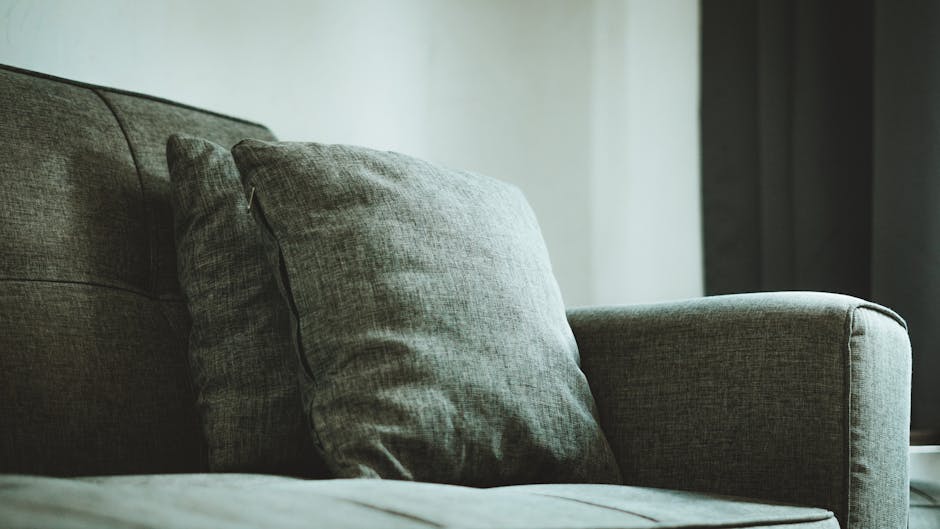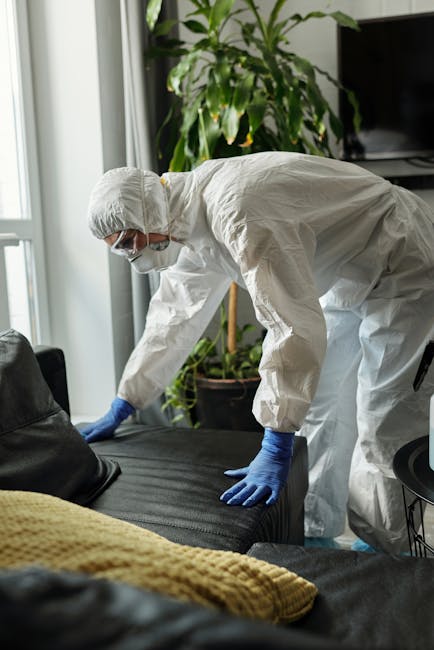
Upholstery cleaning near Acton Park safe methods: a practical guide for cleaner, safer furniture
If you are looking into Upholstery cleaning near Acton Park safe methods, you are probably trying to solve a familiar problem: a sofa, armchair, dining chair, or footstool looks tired, but you do not want to gamble with the fabric. That makes sense. Upholstery is one of those things that can go wrong quickly if the wrong cleaner, too much water, or a heavy hand is used.
In this guide, we will walk through the safest ways to clean upholstery, how to judge fabric type, what professional methods usually involve, and when it is wiser to leave the job to a specialist. You will also find a checklist, a comparison table, a real-world example, and the questions people usually ask before booking. Nothing fluffy. Just the useful stuff, explained clearly.
Why Upholstery cleaning near Acton Park safe methods Matters
Upholstery is not like a hard floor. It absorbs moisture, holds onto oils from skin and hair, and traps dust in layers you cannot always see. That is why safe cleaning matters so much. A method that is fine on one fabric can leave another fabric stained, flattened, or stretched. And once the damage is done, it is usually expensive or impossible to undo.
Near Acton Park, homes and shared spaces often deal with everyday mess rather than dramatic disasters: drink spills after an evening in, muddy marks from shoes or pets, odours from general use, and dull patches from routine contact. Truth be told, most upholstery problems start small. They just sit there, quietly getting worse.
Safe methods matter because they protect three things at once: the fabric, the filling underneath, and your indoor air quality. If you clean harshly, you may remove a stain but leave a water ring, a sticky residue, or a musty smell. That is the kind of result nobody wants. Not really.
If you are comparing service options, it helps to think in terms of overall care rather than just stain removal. A careful cleaner will also consider drying, fibre compatibility, and the right level of agitation. For broader home care, some customers also pair upholstery work with sofa cleaning or a more general deep cleaning visit when several surfaces need attention at once.
Expert takeaway: The safest upholstery clean is rarely the strongest one. It is the one that matches the fabric, uses controlled moisture, and dries properly.
How Upholstery cleaning near Acton Park safe methods Works
Safe upholstery cleaning is really a process of matching the method to the material. A cotton-blend sofa, a synthetic dining chair, a wool-rich armchair, and a delicate velvet footstool do not want the same treatment. They just do not.
The basic workflow usually looks like this:
- Inspection - the cleaner checks the fabric type, seams, colour fastness, cushion structure, and visible damage.
- Testing - a small hidden spot is tested with the chosen solution to see how the fabric reacts.
- Dry soil removal - dust and crumbs are removed first, often with careful vacuuming and appropriate attachments.
- Targeted stain treatment - specific marks are pre-treated with the mildest effective product.
- Main clean - a suitable method such as low-moisture extraction, controlled shampooing, or dry cleaning is applied.
- Rinse or residue removal - any leftover cleaning product is reduced so the fabric does not feel sticky later.
- Drying - airflow is managed to prevent damp smells, shrinkage, or water marks.
What does "safe" actually mean here? It means avoiding unnecessary risk. For example, too much water can push a stain deeper into the cushion, while aggressive scrubbing can rough up fibres and change the texture. Some fabrics are also sensitive to strong alkaline products, heat, or fast agitation. So the method matters more than the enthusiasm behind it.
In practical terms, safe cleaning often means using a more restrained approach first. That may sound boring, but boring is good when your sofa is expensive. Especially if it is a favourite one, the sort that has become the unofficial family seat by Tuesday night.
For items that are badly marked or structurally delicate, it can make sense to book a specialist service such as upholstery cleaning alongside related services like rug cleaning if the whole room needs a refresh.
Key Benefits and Practical Advantages
Safe upholstery cleaning is not just about appearance, though a brighter sofa is a nice result. The real gains are a bit broader.
- Longer fabric life - gentle cleaning helps fibres keep their shape and finish for longer.
- Better stain management - the right method reduces the chance of setting marks permanently.
- Improved freshness - upholstery often holds onto odours from food, pets, and day-to-day use.
- More comfortable rooms - cleaner seating changes how a room feels, especially in living areas and home offices.
- Lower risk of damage - controlled moisture and correct products reduce shrinkage, colour bleed, and fibre distortion.
- Better presentation - useful for landlords, tenants, hosts, and anyone wanting to make a good impression.
There is also a practical side people often forget: safe cleaning can be less disruptive. If moisture is controlled properly, drying times are shorter and the furniture is back in use sooner. That matters in real homes where the sofa is not just decorative. It is where people eat, work, nap, and occasionally spill tea. Happens to the best of us.
If your furniture is part of a larger cleaning plan, pairing upholstery work with domestic cleaning or house cleaning can make the finished result feel much more complete.
Who This Is For and When It Makes Sense
This kind of cleaning makes sense for a lot of people, not just those dealing with obvious stains. In fact, many clients call before a problem becomes visible. That is usually the smarter move.
It is a good fit if you are:
- moving into a new home and want seating refreshed before unpacking
- getting ready for guests, tenants, or a property handover
- trying to remove food, drink, pet, or everyday wear marks
- managing allergies or want to reduce settled dust in soft furnishings
- looking after furniture in a rental, Airbnb, or shared property
- trying to extend the life of a good-quality sofa or armchair
It also makes sense if your upholstery has a care label that warns against heavy wet cleaning, or if you simply do not feel confident tackling it yourself. That is perfectly normal. Some fabrics are tricky, and the label might as well be written in code sometimes.
For landlords, hosts, and people preparing a property for changeover, upholstery care often sits alongside other jobs such as end of tenancy cleaning, move out cleaning, or move in cleaning. When everything is done together, the result is far more convincing.
Step-by-Step Guidance
If you are planning to clean upholstery safely yourself, the order of work matters. Skipping steps is usually what causes trouble. The process below keeps risk low.
- Read the care label first. Look for cleaning codes or specific warnings about water, solvents, or heat.
- Vacuum thoroughly. Use a soft brush attachment and work into seams, corners, and cushion creases.
- Spot test in a hidden area. Check for colour transfer, fibre changes, or water marking before cleaning the visible area.
- Choose the mildest effective product. A gentle upholstery cleaner is often enough for routine dirt; stronger products are not automatically better.
- Treat stains lightly. Dab, do not rub. Rubbing can spread the mark and rough the surface.
- Clean in small sections. This helps you control moisture and avoid over-wetting the fabric.
- Remove residue. If the product needs rinsing, use only the recommended amount of water or extraction.
- Dry with airflow. Open windows if appropriate, use fans carefully, and avoid sitting on the fabric until it is properly dry.
One useful habit: work from the outside of a stain towards the centre. It sounds simple, but it helps prevent the mark from spreading. Also, give upholstery more drying time than you think it needs. A surface may feel dry while the underlayers are still damp. That hidden dampness is what creates later problems.
If the item is large, delicate, or heavily used, it may be better to arrange a specialist visit for one-off cleaning rather than trying to improvise with supermarket products and optimism. Optimism is lovely. Not always enough, though.
Expert Tips for Better Results
There are a few small choices that make a big difference. In our experience, these are the details that separate a decent result from a frustrating one.
- Use less liquid than you think. Upholstery does not need to be soaked to become clean.
- Keep blotting cloths white or light-coloured. That way, you can see if dye is transferring from the fabric.
- Check cushion fillings. Foam, feather, and mixed fillings react differently to moisture and drying.
- Lift solids before applying cleaner. Never push food or debris deeper into the weave.
- Be patient with drying. A slightly longer drying period is safer than forcing heat into the fabric.
- Use clean towels. Old, detergent-heavy towels can leave residue behind. It sounds minor, but it matters.
Here is another one: if you are unsure whether a stain is water-based or oil-based, do not guess wildly. Some cleaning products help one type and set the other. That is where a careful assessment earns its keep.
Professional cleaners also tend to think about the wider room, not just the upholstery. A fresh sofa can look oddly out of place if curtains, rugs, and nearby surfaces are still dusty. For that reason, many customers combine upholstery work with carpet cleaning or even window cleaning for a more balanced finish.
Common Mistakes to Avoid
A lot of upholstery damage comes from well-meant mistakes. Some are obvious, some are sneaky.
- Skipping the care label - this is the fastest route to trouble.
- Over-wetting the fabric - too much liquid can cause rings, backing damage, and long drying times.
- Scrubbing hard - it can distort the pile and make the area look patchy.
- Using random household cleaners - bleach, strong solvents, or scented sprays can leave residue or discolour the material.
- Cleaning a stain in a panic - rushing often spreads the mark.
- Ignoring hidden damp - the fabric may feel fine while the padding underneath stays wet.
- Not checking for colour fastness - one quick test can save the whole item.
Let's face it, upholstery looks sturdy. It is not. It can be surprisingly fussy. A tiny bit of impatience, and suddenly there is a tide line on the armrest that you now have to live with. Not ideal.
If an item is already fragile, badly faded, or expensive to replace, a cautious specialist approach is usually the better option. The same thinking applies when upholstery is part of a more demanding clean after renovations; in those cases, customers sometimes choose after builders cleaning for the broader property and then deal with upholstery separately.
Tools, Resources and Recommendations
You do not need a van full of equipment to do basic upholstery care safely. But the right tools make a very real difference. A cheap product used badly often costs more in the long run than a decent one used properly.
| Tool or product | What it is for | Safe-use note |
|---|---|---|
| Soft brush vacuum attachment | Removing dry dust, crumbs, and pet hair | Use gently to avoid pulling at loops or loose fibres |
| Microfibre cloths | Blotting spills and applying small amounts of product | Use clean cloths to prevent transfer of dirt or dye |
| pH-neutral upholstery cleaner | Routine soil and light staining | Always test first, especially on coloured fabrics |
| Absorbent white towels | Moisture control and drying support | Press rather than rub |
| Air mover or fan | Helping the fabric dry safely | Avoid excessive heat and keep airflow moderate |
When to choose professional help? If the fabric is marked with a warning code, if the upholstery is antique or valuable, if the stain is old, or if the item has strong odour issues. Also if you have tried a small treatment already and it went a bit sideways. Happens. No shame in it.
For people who want a more structured service experience, it can be helpful to review pricing and quotes, plus practical details in insurance and safety and the company's health and safety policy. Those pages do not clean the sofa for you, of course, but they do help you understand what to expect from a provider.
Law, Compliance, Standards, or Best Practice
For upholstery cleaning, the most relevant guidance is usually less about one strict legal rule and more about responsible practice. In the UK, cleaners and property owners are expected to act carefully around electrical equipment, avoid unsafe chemical use, and reduce risks to people and property. That means sensible product choice, safe handling, and clear drying procedures.
From a best-practice perspective, a good cleaner should be able to explain:
- what method is being used and why
- whether the fabric has been tested first
- how moisture will be controlled
- what to do if the item remains damp after the visit
- how complaints or concerns are handled
That last point sounds dull, but it matters. If a provider can explain their process clearly, that is usually a good sign. You want confidence, not mystery. Mystery is for novels, not sofas.
If you are comparing providers, it is sensible to look for transparent information on terms and conditions, privacy policy, and complaints procedure. If sustainability matters to you, you might also like their approach to recycling and sustainability.
Options, Methods, or Comparison Table
Different upholstery problems call for different methods. The safest choice depends on the fabric, the level of soiling, and how quickly the item needs to be used again.
| Method | Best for | Pros | Trade-offs |
|---|---|---|---|
| Dry vacuum and spot care | Light maintenance and routine dust | Very low risk, quick, good for regular upkeep | Won't remove deep stains or odours |
| Low-moisture upholstery cleaning | Most modern fabric sofas and chairs | Balanced clean with controlled drying | Still needs proper testing and drying time |
| Extraction cleaning | Heavier soiling on suitable fabrics | Can remove embedded dirt effectively | Not ideal for delicate fabrics or over-wet risks |
| Dry solvent method | Moisture-sensitive materials | Useful where water is risky | Requires care and the right experience |
If you are undecided, low-moisture work is often the sensible middle ground for many household fabrics. But again, fabric type comes first. A gentle method used in the wrong place can still cause trouble. So the method is only half the story.
Some customers also choose a broader refresh with regular cleaning if their home tends to collect dirt quickly, while others book a single visit that includes mattress cleaning because the bedroom fabrics need attention too.
Case Study or Real-World Example
A common local scenario goes like this. A family in Acton Park has a cream two-seat sofa that looked fine from a distance, but the arms had become dull and the seat cushions had a faint ring mark from a spill that was cleaned with too much water months earlier. There was also a mild odour from everyday use, nothing dramatic, just that lived-in smell you notice when you sit down after a long day.
Instead of trying a strong cleaner right away, the safer route was to inspect the label, vacuum the fabric carefully, and test a gentle solution on a hidden panel. The stain was treated in stages rather than flooded. Moisture was kept low. Drying was supported with airflow rather than heat blasting. Simple, really, but not rushed.
The result was not a brand-new sofa. That would be a fantasy. But it was fresher, lighter in colour, and much more even in appearance. The water ring softened noticeably, and the family could use the seating again the same day after a sensible drying period. That is the kind of result most people actually want: better, cleaner, calmer. Not perfection. Just a proper improvement.
In a related case, a host preparing a property for guests paired upholstery care with Airbnb cleaning to get the whole living area looking consistent. That made more sense than treating each issue in isolation.
Practical Checklist
Use this checklist before you start or before you book a professional cleaner.
- Check the care label and fabric type
- Identify any visible damage, loose stitching, or faded patches
- Vacuum the upholstery thoroughly first
- Test any product in a hidden area
- Use the mildest effective method
- Blot stains gently instead of rubbing
- Avoid over-wetting the fabric or cushions
- Allow proper drying time with good airflow
- Keep children and pets off the item until fully dry
- Book a specialist if the fabric is delicate, antique, or heavily stained
Quick practical reminder: If something starts to smell damp after cleaning, it usually means the drying stage was not given enough time. Do not ignore that. Deal with it early.
Conclusion
Safe upholstery cleaning is really about respect: respect for the fabric, respect for the filling, and respect for the fact that not every stain should be attacked head-on. The best results usually come from a calm, tested, low-risk method rather than an aggressive one. And that is especially true when you want upholstery cleaning near Acton Park safe methods that genuinely protect your furniture for the long term.
If you remember only one thing, make it this: match the method to the material, keep moisture controlled, and allow proper drying. That simple combination saves a lot of bother later. A fresh sofa should feel like a win, not a worry.
If you would like to compare options, understand the process in more detail, or arrange help for a piece that needs careful attention, you can start by reviewing the service details and deciding what level of cleaning suits your furniture best.
Get a free quote today and see how much you can save.
Sometimes the smartest cleaning choice is the one that leaves you quietly relieved a few hours later, sitting back on a sofa that looks and feels like itself again.
Frequently Asked Questions
What are the safest upholstery cleaning methods for most fabric sofas?
For many modern fabrics, the safest approach is gentle vacuuming, a spot test, mild pre-treatment, and low-moisture cleaning. The key is not just the product, but how much water or solution you use and how well the fabric dries afterwards.
Can I clean upholstery myself without damaging it?
Yes, if the fabric is suitable, the stain is light, and you follow the care label carefully. Start with vacuuming, test in a hidden area, and use only a small amount of product. If the item is delicate or heavily marked, getting help is usually the safer move.
How do I know if my upholstery is safe for water-based cleaning?
Check the manufacturer's care label first. If the label is missing or unclear, test a hidden area before applying any moisture. If the fabric reacts badly, stops absorbing evenly, or shows colour transfer, stop and choose a different method.
Why does upholstery sometimes get water stains after cleaning?
Water marks often appear when too much moisture is used, when the area dries unevenly, or when residue is left in the fabric. This is why controlled application and proper drying are so important.
How long does upholstery take to dry after cleaning?
Drying time depends on the fabric, the method used, room temperature, and airflow. Some items dry within a few hours, while thicker cushions may take longer. If you are unsure, keep the area ventilated and avoid using the furniture until it feels fully dry throughout.
Is steam cleaning safe for upholstery?
Not always. Steam can be too aggressive for some fabrics and may create heat or moisture problems. It can work in the right context, but it is not a universal solution. Fabric type and construction need to be considered first.
What should I avoid using on upholstered furniture?
Avoid bleach, harsh solvents, random household sprays, and anything highly abrasive. These can discolour the fabric, damage fibres, or leave residue behind. If in doubt, go milder rather than stronger.
How often should upholstery be professionally cleaned?
That depends on how heavily the furniture is used. Busy family homes, properties with pets, or seating in shared spaces may need more frequent attention than lightly used items. Many people book a professional clean when the fabric starts to look dull or before a major changeover.
Can upholstery cleaning remove pet odours?
Often it can reduce them significantly, especially if the odour is sitting in the surface fibres or cushioning. Strong, long-term odours may need deeper treatment and careful drying. If a smell keeps returning, the padding underneath may need a closer look.
What if my sofa has a delicate or expensive fabric?
Use extra caution. Delicate fabric often needs low-moisture or specialist methods, and some materials should not be heavily wet cleaned at all. If the upholstery is costly, antique, or sentimental, it is usually worth having a professional assess it before you try anything.
Are upholstery cleaning and sofa cleaning the same thing?
Sofa cleaning is a type of upholstery cleaning. Upholstery cleaning covers sofas, chairs, cushions, benches, and other fabric-covered furniture. The principles are the same, but the exact method changes depending on the item and fabric.
Can upholstery cleaning help before moving home or ending a tenancy?
Yes, very often. Clean seating can improve how a property presents during move-in, move-out, or end-of-tenancy stages. It is especially useful when combined with other cleaning tasks so the whole space looks fresh rather than half-done.